
Marble countertops are a luxurious addition to any kitchen or bathroom but there are many myths surrounding this beautiful material. While marble has been used for centuries in architecture and design, misconceptions about its durability, maintenance, and functionality persist. In this article, we will address the five most common myths about marble countertops and debunk them with the facts you need to know.
1. Myth: Marble Countertops Are Too Fragile for Kitchens
One of the most common myths about marble countertops is that they are too fragile to withstand the demands of a busy kitchen. People often assume that marble can’t handle the heat, spills, or everyday wear and tear associated with cooking.
The Truth:
While marble is softer than granite and quartz, it is still a durable and functional material for kitchens. Marble countertops are heat-resistant, so you can place hot pots and pans on the surface without worrying about immediate damage. However, to ensure longevity, it’s recommended to use trivets or heat-resistant pads to prevent any long-term discoloration or damage.
Key Takeaways:
- Marble is durable but requires regular care to maintain its appearance.
- Avoid direct contact with sharp knives or heavy objects that could cause scratches or chips.
- For a busy kitchen, be sure to seal your marble countertop regularly to protect it from stains.
2. Myth: Marble Is Impossible to Maintain
Another common misconception is that marble countertops are difficult to maintain and require constant upkeep. Many believe that marble is too high-maintenance to be practical in daily life, especially in kitchens and bathrooms.
The Truth:
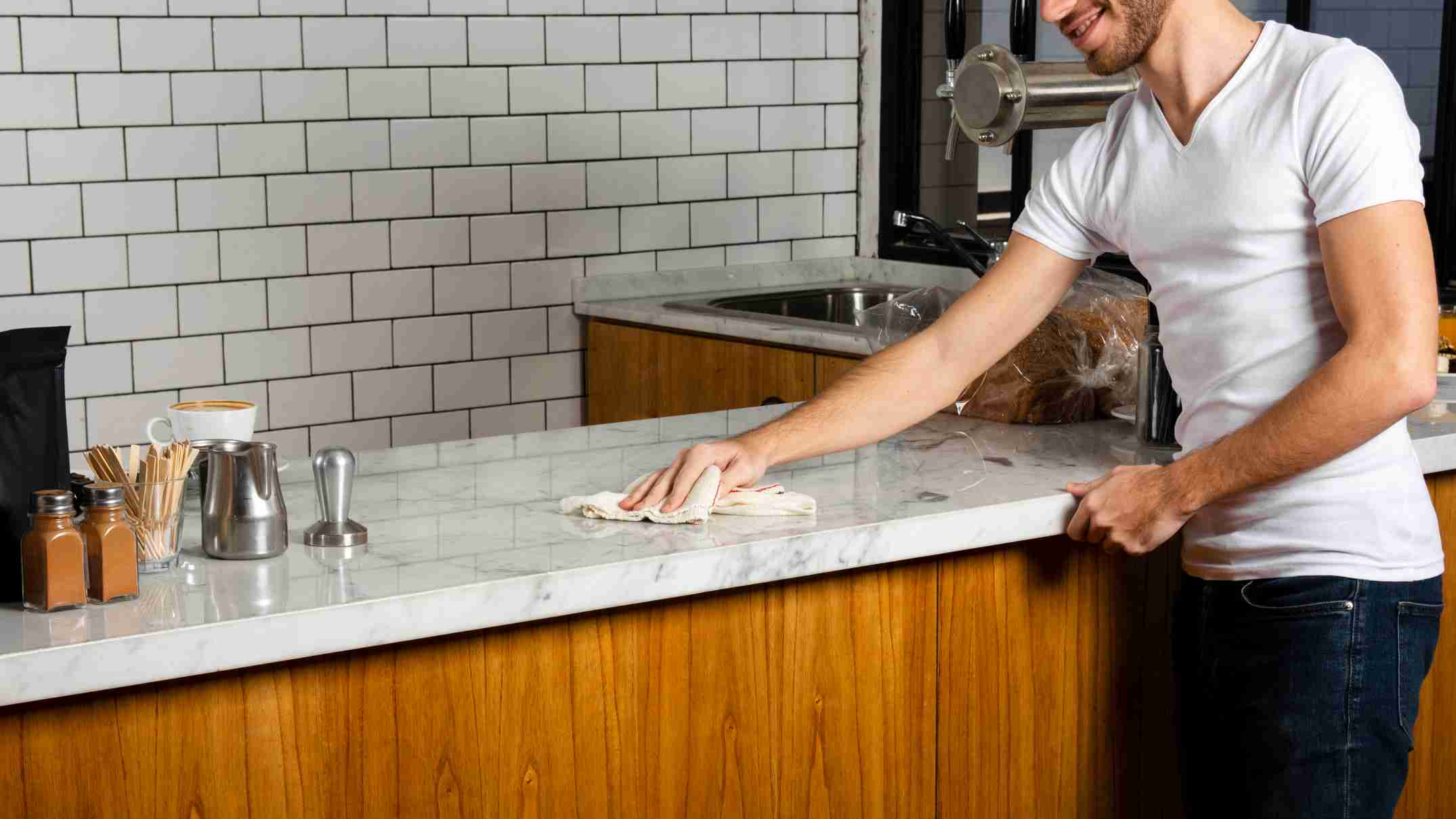
Marble countertops do require some maintenance, but they are not as high-maintenance as people believe. Regular cleaning with mild soap and water, sealing every 6-12 months, and wiping up spills immediately are the key steps to keeping your marble looking pristine. By taking these simple steps, you can keep your marble countertop looking beautiful without the need for constant upkeep.
Key Takeaways:
- Clean spills immediately to prevent staining.
- Seal your marble countertops regularly to protect them from liquids and oils.
- Use gentle, non-abrasive cleaners to avoid damaging the surface.
3. Myth: Marble Countertops Are Only for Traditional Kitchens
Many people assume that marble countertops are best suited for traditional, classic kitchens and are not suitable for modern or contemporary designs. This myth has led to the belief that marble is not versatile enough to match various design styles.
The Truth:
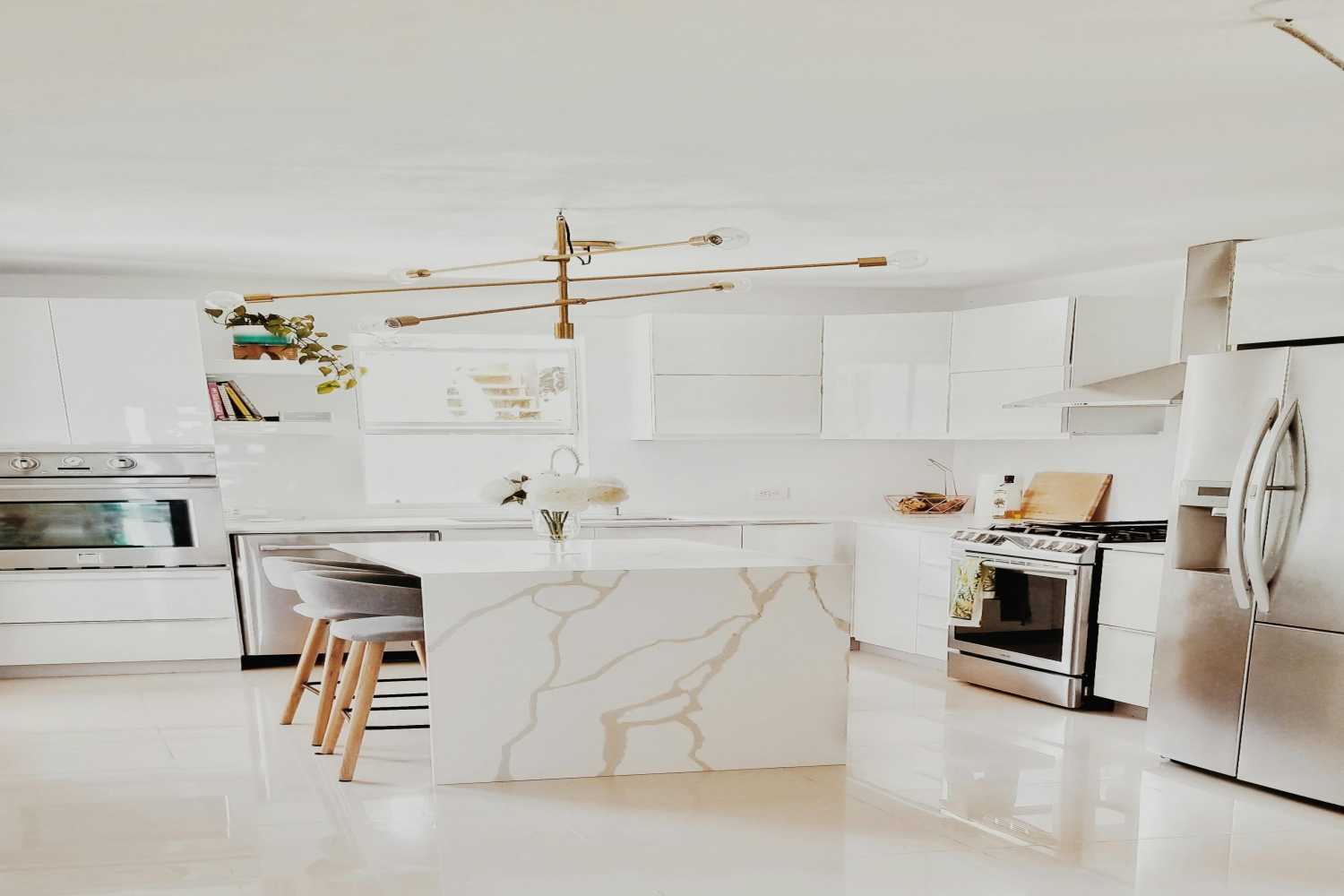
Marble is incredibly versatile and can work in both traditional and modern kitchens. Its timeless beauty and elegant appearance complement a wide range of design aesthetics, from sleek and contemporary to rustic and traditional. For example, white Carrara marble with subtle gray veining can give a modern kitchen a bright, airy feel, while dark marbles like Nero Marquina can create a dramatic, sophisticated atmosphere in a contemporary kitchen.
Key Takeaways:
- Marble can seamlessly fit into any design style, whether traditional, modern, or eclectic.
- Different colors and finishes of marble (polished, honed, leathered) can complement various design aesthetics.
- Marble’s natural veining adds depth and character, making it suitable for both minimalist and ornate spaces.
4. Myth: Marble Countertops Are Prone to Stains and Discoloration
One of the biggest myths surrounding marble countertops is that they are highly susceptible to stains, especially from common kitchen substances like wine, coffee, and oil. Many homeowners avoid marble because they believe it will stain easily and be difficult to clean.
The Truth:
Marble is porous, meaning it can absorb liquids if not sealed properly. However, when sealed correctly and maintained regularly, marble countertops are much less likely to stain. The key is to seal the surface to protect it from liquids and oils. Spills should be wiped up immediately, especially from acidic substances like wine, citrus, and vinegar. With proper care and sealing, marble countertops can resist staining and retain their beauty for years.
Key Takeaways:
- Marble needs to be sealed regularly to protect it from staining.
- Wipe up spills, especially from acidic substances, immediately to prevent damage.
- Regular sealing helps protect the surface and maintain its resistance to stains.
5. Myth: All Marble Countertops Look the Same
Some people believe that all marble countertops look alike, with no variety in colors or patterns. This myth comes from the perception that marble is a uniform material that lacks individuality and uniqueness.
The Truth:
Marble is a natural stone, which means that every slab is unique. Marble features intricate veining patterns and color variations that make each countertop one-of-a-kind. Whether you choose a classic white Carrara marble with soft gray veins or a bold black marble with striking white veins, your marble countertop will have a distinct and personalized look. The veining and color variations in marble add to its charm and beauty, making it a material that stands out in any space.
Key Takeaways:
- Every slab of marble is unique, with its own color and veining patterns.
- The natural beauty of marble adds character and elegance to any space.
- Whether you prefer subtle veining or bold patterns, marble offers a wide variety of looks to suit your style.
Conclusion:
Marble countertops are a luxurious and timeless addition to any home, but it’s important to separate fact from fiction. While marble may require some maintenance, it is a highly durable material that can withstand the demands of a kitchen or bathroom when properly cared for. Whether you’re drawn to marble’s aesthetic appeal, its heat resistance, or its versatility, it’s clear that marble remains one of the most coveted countertop materials in the world of home design.
By debunking these common myths, we hope to provide you with a clearer understanding of marble countertops and help you make an informed decision when selecting the perfect surface for your home.
Related Article: How to Choose the Right Marble Countertop Color for Your Home
FAQs about Marble Countertops Myths
1. Is marble really too fragile for a kitchen countertop?
No, while marble is softer than granite, it can still handle everyday kitchen activities. Just be mindful of sharp knives and heavy impacts that could cause scratches or chips. Regular sealing will help protect it.
2. Do marble countertops require constant maintenance?
Marble countertops do need some maintenance, but not constant upkeep. Regular cleaning, sealing every 6-12 months, and prompt spill clean-up will keep your marble looking great.
3. Can marble work in modern kitchens?
Yes, marble is incredibly versatile and can work in modern kitchens. With various colors, finishes, and veining patterns, marble can complement both traditional and contemporary design styles.
4. Are marble countertops prone to staining?
Marble is porous and can stain if not sealed properly. However, with regular sealing and prompt cleaning of spills, marble countertops can resist staining and stay beautiful.
5. Is all marble the same?
No, each marble slab is unique, with varying colors and veining patterns. This natural variation gives marble countertops their distinctive and one-of-a-kind beauty.