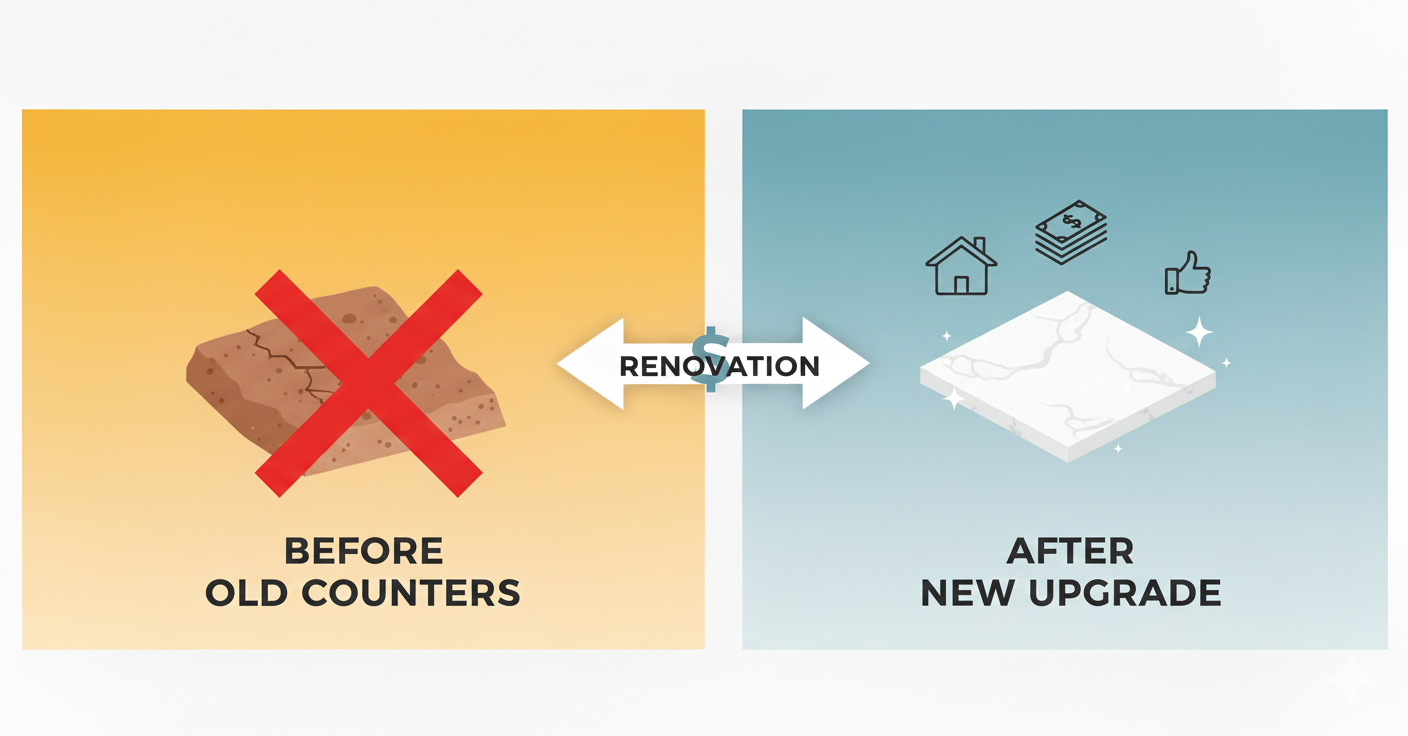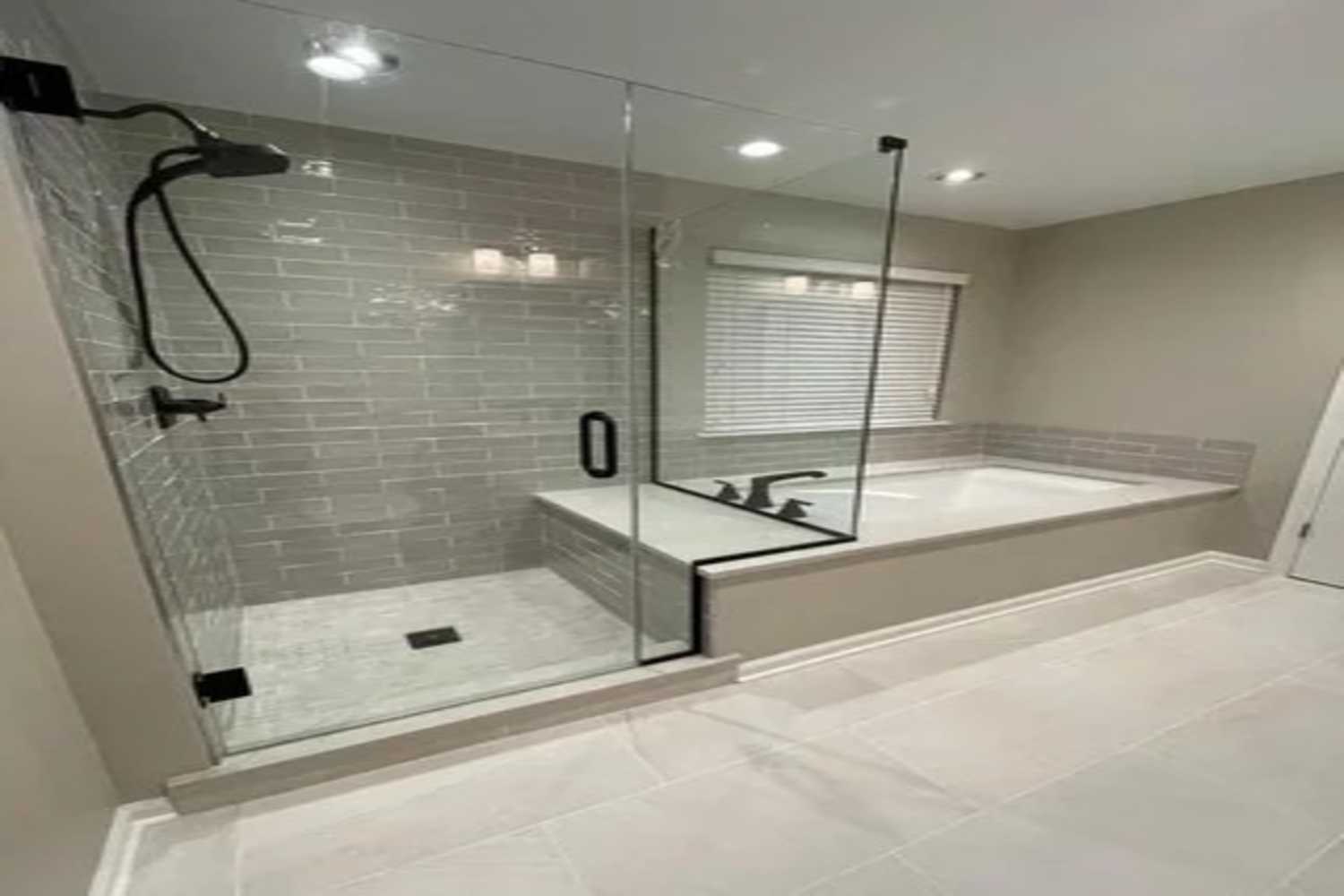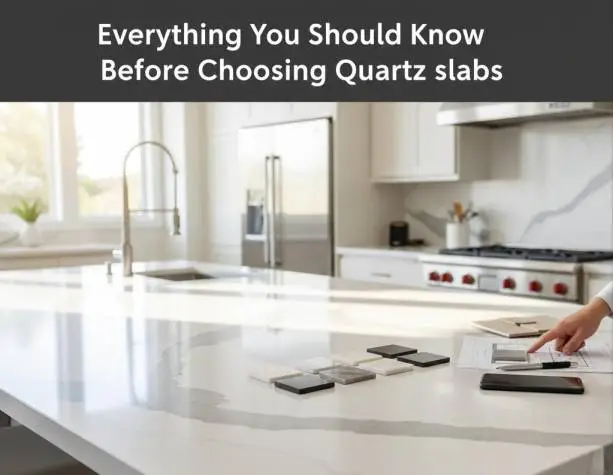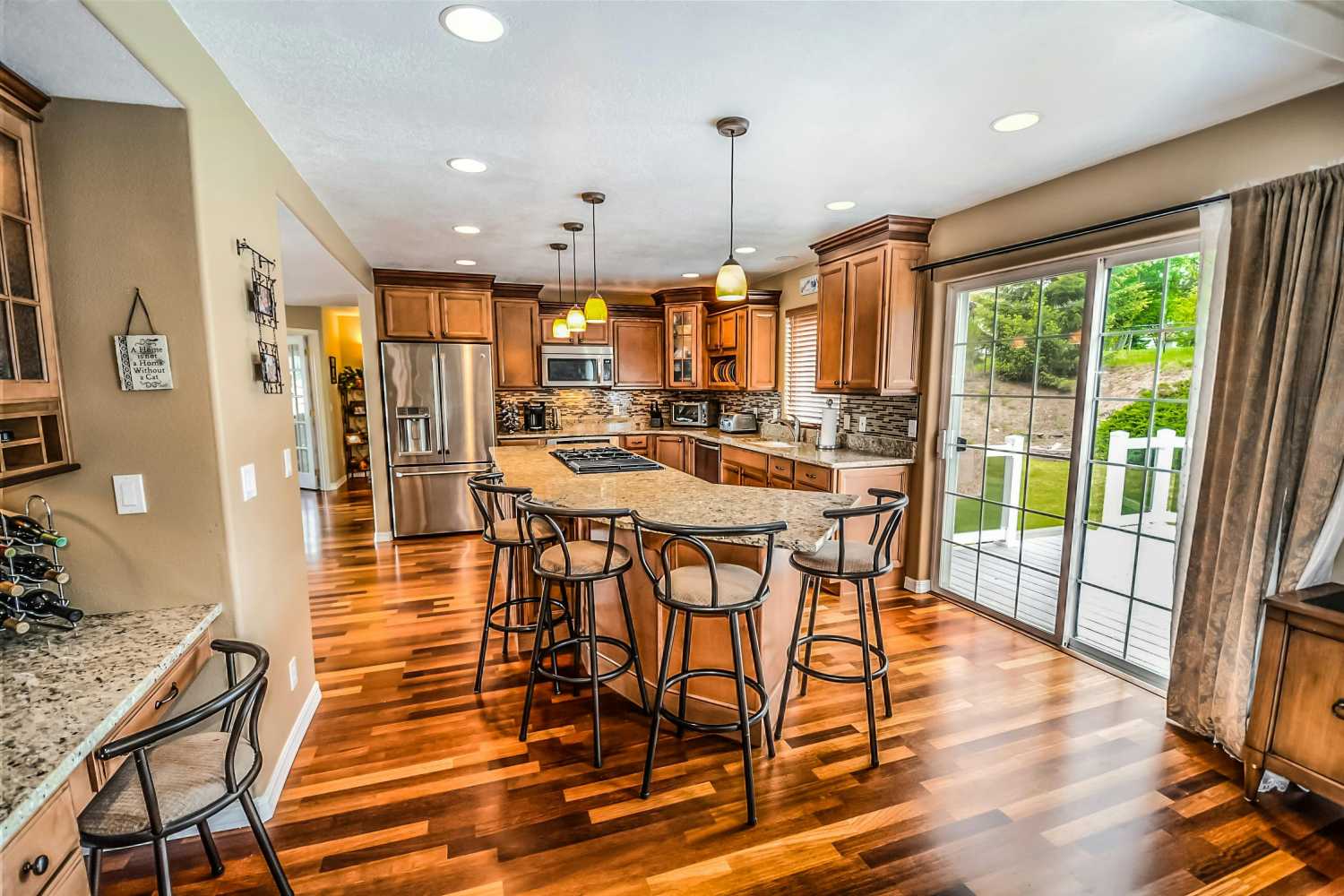
Granite countertops have long been the go-to choice for homeowners looking to add luxury and durability to their kitchens and bathrooms. Known for their natural beauty and strength, granite has earned its reputation as one of the best materials for countertops. However, in recent years, quartz has been gaining popularity as a strong contender to granite. As engineered stone surfaces, quartz countertops offer many advantages that appeal to modern homeowners, often making them the preferred choice over classic granite.
In this article, we’ll explore the reasons why many people are opting for quartz countertops instead of traditional granite, highlighting the benefits that make quartz a worthy alternative.
1. Non-Porous Nature
One of the key reasons people choose quartz over granite is its non-porous nature. Unlike granite, which is a natural stone with inherent pores, quartz is engineered to be impervious to liquids and bacteria. This makes quartz countertops significantly easier to maintain and cleaner than granite.
Benefits of Non-Porous Quartz:
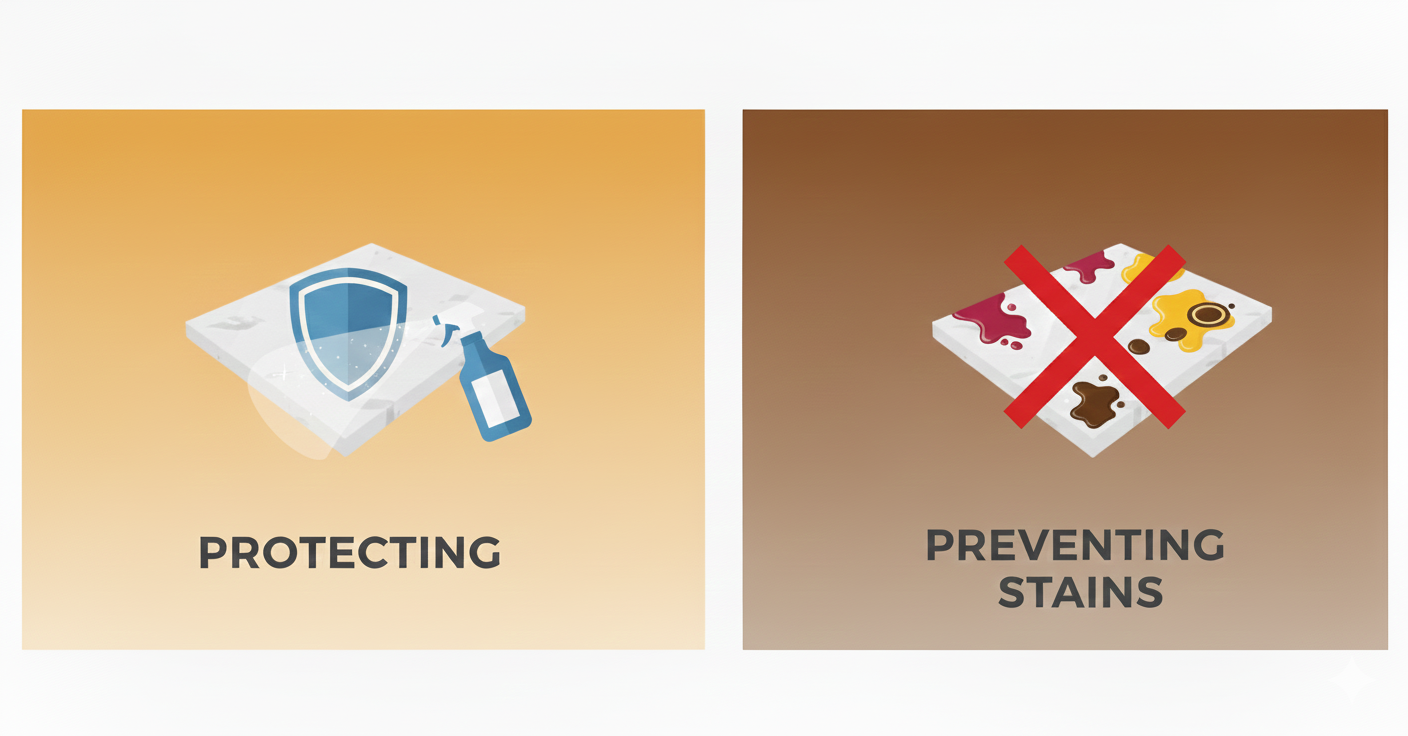
- Stain Resistance: Because quartz is non-porous, it doesn’t absorb liquids like wine, coffee, or oil. This makes it highly resistant to stains, especially in kitchens and bathrooms where spills are common.
- Hygienic Surface: The non-porous quality of quartz also means that bacteria and germs have nowhere to hide. This is a significant advantage for homeowners who want a more sanitary kitchen or bathroom surface, especially when preparing food or dealing with moisture.
- No Sealing Required: Unlike granite, which needs to be sealed regularly to prevent staining and protect the surface, quartz countertops do not require sealing. This makes quartz a low-maintenance option that saves time and effort in the long run.
2. Greater Design Flexibility
While granite countertops are known for their natural beauty, quartz offers a greater range of design possibilities. Quartz is an engineered stone, meaning it can be manufactured in a wide variety of colors, patterns, and finishes. Whether you want a countertop that mimics the look of marble, a vibrant color to match your kitchen’s theme, or a sleek modern design, quartz has endless possibilities.
Why Quartz Offers More Design Options:
- Customizable Colors and Patterns: Quartz countertops are available in a wide range of colors and patterns that can suit almost any style, from solid, sleek tones to veined patterns that mimic natural stone.
- Uniformity: Because quartz is man-made, it offers a level of consistency in design that granite, with its natural variations, cannot. This is particularly useful for homeowners looking for a uniform look across large surfaces or with fewer seams.
- Textural Variety: Quartz can be produced with different textures, including polished, honed, or matte finishes. This allows homeowners to select the perfect finish for their countertop, whether they want something glossy and reflective or more subtle and soft.
Design Tip:
If you’re looking for a classic, elegant look, quartz can be manufactured to resemble natural stones like marble or granite, giving you the appearance of high-end stone without the drawbacks of traditional materials.
3. Easier to Maintain
Quartz countertops are generally easier to maintain compared to granite. Granite, being a natural stone, requires special care to keep it looking pristine, such as regular sealing and careful handling of spills. Quartz, on the other hand, is much simpler to care for, making it a great option for busy homeowners.
Why Quartz is Easier to Maintain:
- No Sealing: Unlike granite, which needs to be sealed every 6 to 12 months to prevent staining, quartz countertops are maintenance-free in this regard. Their non-porous surface doesn’t require sealing, which saves time and money.
- Easy Cleaning: Quartz countertops can be cleaned with just mild soap and water. There’s no need for harsh chemicals, and they won’t stain easily from common household substances.
- Scratch and Dent Resistance: While no countertop is completely indestructible, quartz is more resistant to scratches and dents than granite. Its engineered surface makes it more resilient to everyday use, especially in kitchens where heavy tools and utensils are in constant contact with the countertop.
Maintenance Tip:
To keep your quartz countertops looking their best, simply wipe them down with a gentle dish soap and a microfiber cloth. For tougher spots, use a soft sponge and warm water. Avoid using abrasive cleaners or scrubbing pads that can damage the surface.
4. More Affordable Than Granite
While both quartz and granite are premium countertop materials, quartz tends to be more affordable than granite in terms of initial cost and long-term maintenance.
Cost Comparison Between Quartz and Granite:
- Lower Initial Cost: Although high-end quartz can be pricey, the average cost of quartz countertops is generally lower than granite. Granite requires sourcing from quarries, and its cost can increase depending on the rarity of the stone and transportation fees.
- No Maintenance Costs: Granite countertops, while durable, require regular sealing to prevent stains, which involves ongoing maintenance costs. Quartz, being non-porous, does not require sealing, making it a more cost-effective option in the long run.
Budget-Friendly Option:
If you want a beautiful, high-end-looking countertop without breaking the bank, quartz can offer a similar aesthetic to granite or marble without the higher price tag or maintenance costs.
5. Consistency in Quality
Another reason quartz is a popular choice over granite is its consistent quality. Since quartz is engineered in factories with strict manufacturing processes, each slab is more predictable than granite. Granite is a natural material, and its quality can vary greatly from one slab to another, with some pieces containing more imperfections or inconsistencies in color and veining.
Why Quartz Offers Consistent Quality:
- Uniform Appearance: Unlike granite, where you might encounter natural flaws or color variations, quartz countertops are made to be consistent in appearance. This can be particularly beneficial for larger kitchen designs or projects where uniformity across slabs is desired.
- Less Waste: With granite, certain slabs may have flaws that make them unsuitable for use, leading to waste. Quartz countertops, on the other hand, are more predictable, which means there’s less likelihood of unusable material.
Design Tip:
If you’re undertaking a large kitchen renovation or want a seamless look, quartz is often the better option for achieving consistent, uniform patterns and colors across your countertops.
6. Eco-Friendly Options
For homeowners who are concerned about the environmental impact of their materials, quartz can be a more eco-friendly option compared to granite. While both materials are natural, quartz countertops are often made using a mix of natural quartz crystals and resins, with many manufacturers offering options that include recycled materials, reducing the carbon footprint.
Why Quartz is a More Eco-Friendly Choice:
- Sustainability: Many quartz manufacturers are committed to sustainability by using recycled materials such as glass, mirrors, and even post-consumer content to create their products.
- Longer Lifespan: Since quartz is highly durable and easy to maintain, it can last a long time without needing to be replaced, which makes it an eco-conscious choice in terms of product lifespan.
Conclusion
While granite countertops have been a favorite for many years due to their natural beauty and durability, quartz is quickly becoming the preferred option for homeowners looking for a more affordable, low-maintenance, and versatile countertop solution. Quartz offers numerous benefits, from its non-porous surface to its consistent quality, durability, and variety of design options. Whether you are remodeling your kitchen or bathroom or looking for a reliable countertop that can handle the demands of daily use, quartz provides a combination of practicality and style that’s hard to beat. By choosing quartz, you’ll enjoy beautiful countertops that look great and perform even better, making it a top contender for modern homes.