Kitchens are often the heart of the home, where meals are prepared, families gather, and entertaining takes place. However, with all the cooking, chopping, and food prep, countertops in busy kitchens can take a beating. One of the most common problems homeowners face is dealing with stains on countertops. Spills from oils, sauces, coffee, and other substances can quickly mar the surface, leaving behind unsightly marks.
The good news is that with proper care and preventative measures, you can significantly reduce the risk of stains on your kitchen countertops. In this article, we’ll explore practical strategies to prevent countertop stains in busy kitchens, regardless of the material.
1. Choose Stain-Resistant Countertop Materials
One of the best ways to prevent stains is by choosing a countertop material that is naturally resistant to staining. Some materials are more porous than others, making them more prone to absorbing liquids and food particles. Others, like quartz, are non-porous and can resist stains more effectively.
Stain-Resistant Countertop Options:
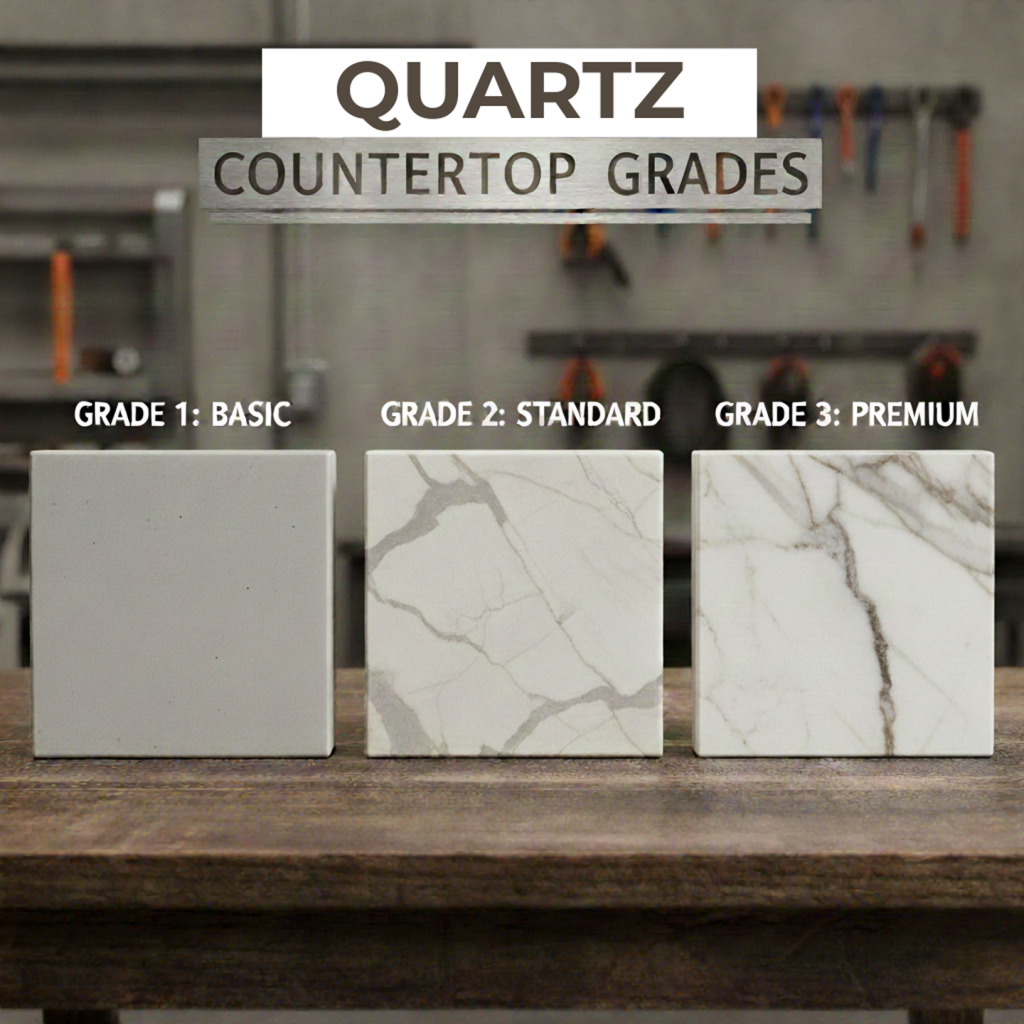
- Quartz: Quartz countertops are engineered to be non-porous, which means they won’t absorb liquids and are highly resistant to staining. They come in a variety of colors and patterns, making them both functional and stylish for a busy kitchen.
- Granite: Granite is naturally resistant to staining, though it may require periodic sealing. Once sealed, granite countertops are highly durable and can withstand spills from most foods and liquids.
- Soapstone: Soapstone is a non-porous material that resists staining and is highly durable. It’s ideal for kitchens that experience frequent spills and heavy use.
- Porcelain: Porcelain countertops are highly resistant to stains, heat, and scratches. These countertops are non-porous and require little maintenance.
Design Tip:
While materials like granite, quartz, and porcelain can help minimize stains, remember that periodic sealing (in the case of granite) and proper care are key to maintaining the countertop’s resistance to stains.
2. Seal Your Countertops Regularly
For countertop materials like granite, marble, and certain types of stone, sealing is an essential step in protecting your surfaces from stains. Unsealed natural stone is porous, meaning liquids like coffee, wine, and oils can seep into the surface, causing permanent stains.
Why Sealing Is Important:
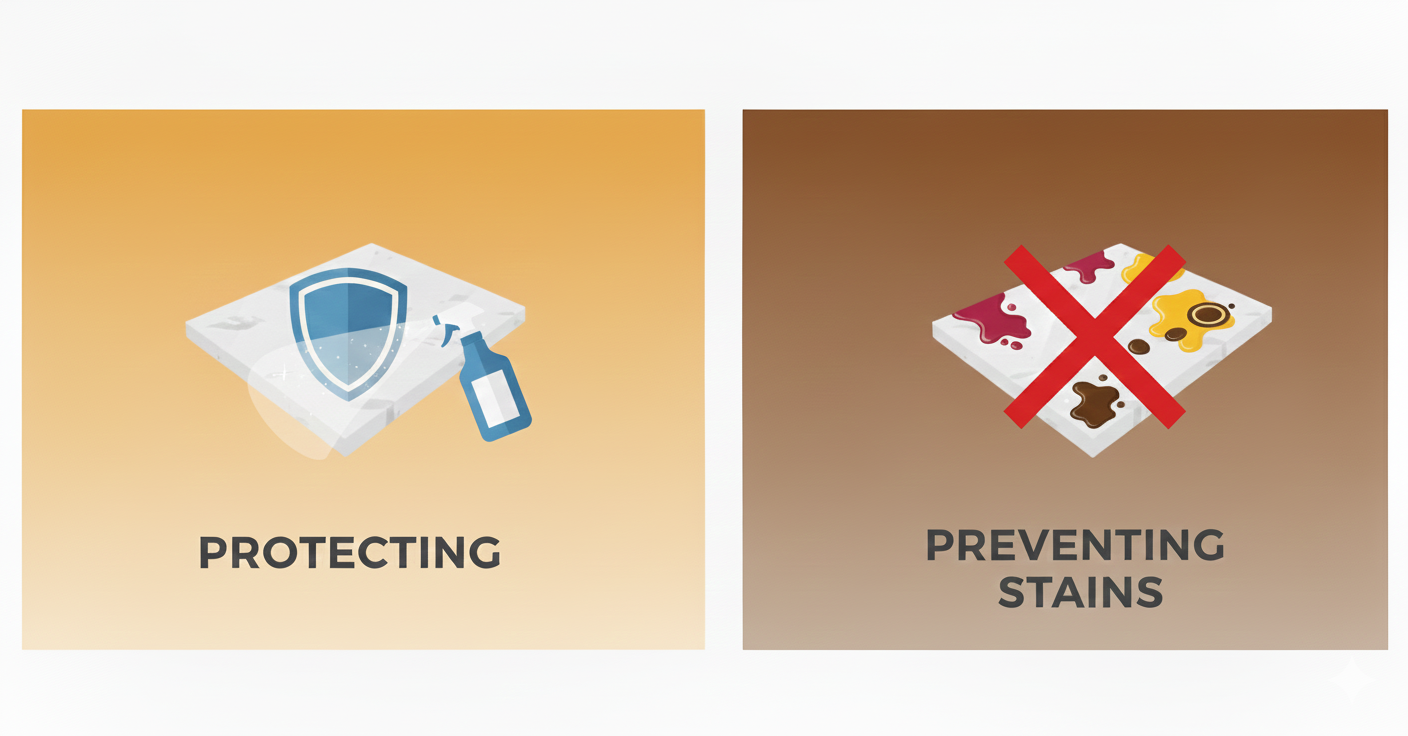
- Prevents Liquid Absorption: Sealing creates a barrier on the countertop surface that prevents liquids from soaking into the stone. This significantly reduces the risk of stains.
- Extends the Lifespan of Your Countertops: Regularly sealing your countertops helps maintain their appearance and durability, keeping them looking like new for longer.
How to Seal Your Countertops:
- Granite and Marble: Apply a stone-specific sealant to your granite or marble countertops every 6 to 12 months, depending on the level of use.
- Test for Sealing Needs: Perform the water test to check if your countertops need resealing. Drop a small amount of water on the surface. If it beads up, the seal is intact. If it absorbs, it’s time to reseal.
Maintenance Tip:
If you’re unsure about sealing, consult with a professional to ensure the correct sealer is used for your countertop material.
3. Clean Spills Immediately
While having stain-resistant countertops can be a huge help, the best way to prevent stains is to clean up spills right away. Certain substances, especially acidic liquids like lemon juice, vinegar, or wine, can cause stains or etching if left on the surface for too long.
How to Prevent Stains from Spills:
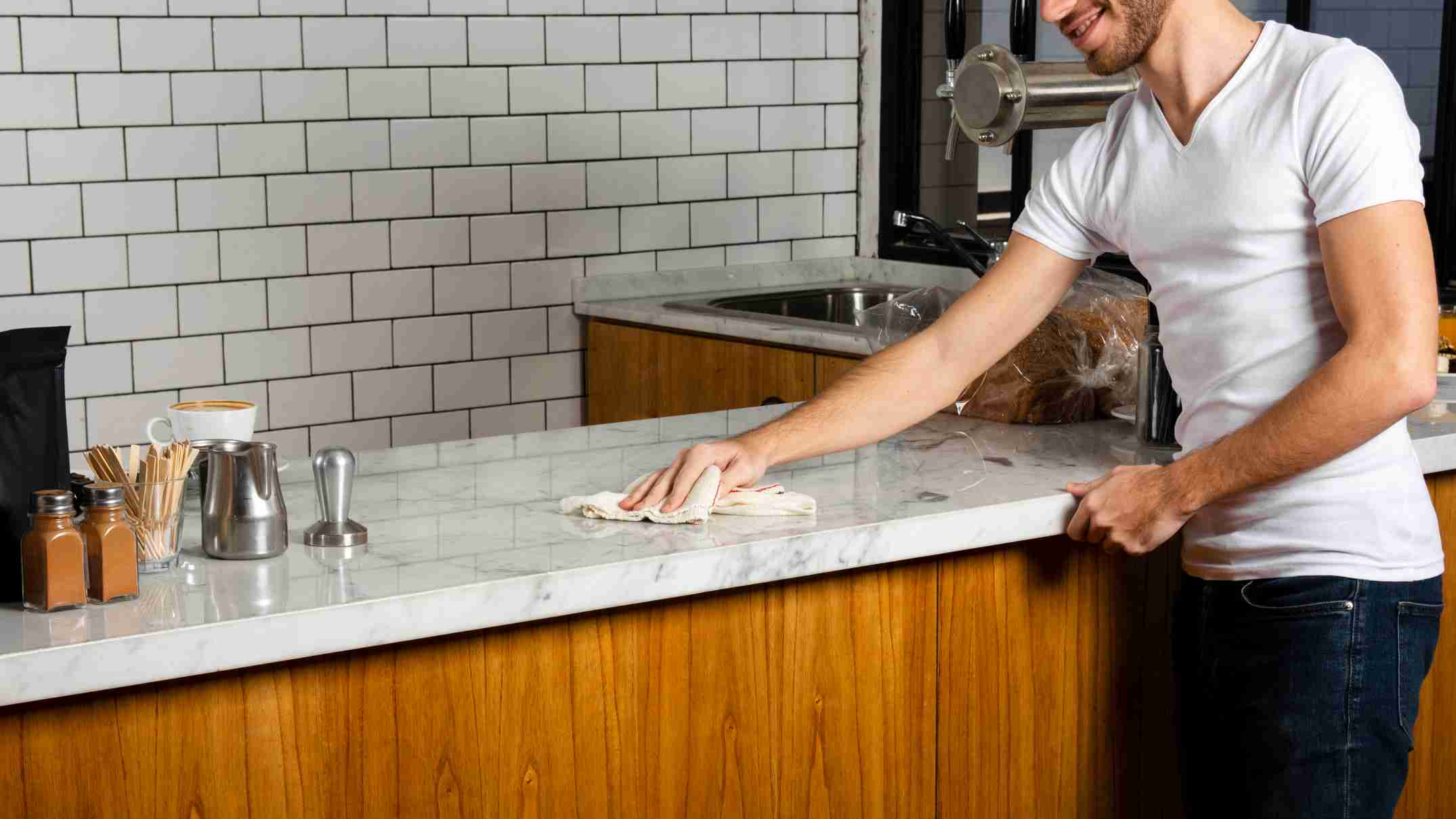
- Wipe Up Spills Immediately: As soon as a spill occurs, wipe it up with a clean cloth or paper towel. The longer liquids sit on the countertop, the more likely they are to leave a stain.
- Be Extra Cautious with Oil: Oil and grease can leave persistent stains on countertops. If oil spills, clean it up immediately with a soft cloth and warm, soapy water.
Tip for Frequent Cooks:
Keep a few extra dish towels or paper towels on hand while cooking, so you can easily wipe up spills during meal prep. The quicker you clean the surface, the less chance there is for a stain to form.
4. Use Cutting Boards and Trivets
While some countertops are more resistant to scratches and heat than others, it’s still important to use cutting boards and trivets to protect the surface from permanent damage or stains.
Why Cutting Boards and Trivets Help Prevent Stains:
- Protects Against Cuts and Scratches: Using cutting boards prevents knives from leaving cuts or scratches on your countertops, which can make them more vulnerable to staining over time.
- Prevents Heat Damage: Pans, pots, and dishes can be extremely hot when removed from the stove or oven. Placing these directly on your countertops without a trivet can lead to heat damage, discoloration, or stains.
Tips for Using Cutting Boards and Trivets:
- Invest in a Good Quality Cutting Board: Choose a sturdy, well-sized cutting board to protect your countertops from food prep. Wooden or bamboo cutting boards are ideal, as they are gentle on knives and the countertop surface.
- Use Trivets or Hot Pads: Always use trivets or hot pads when placing hot cookware or baking dishes on your countertops. This helps protect the surface from heat damage, particularly for softer materials like marble or wood.
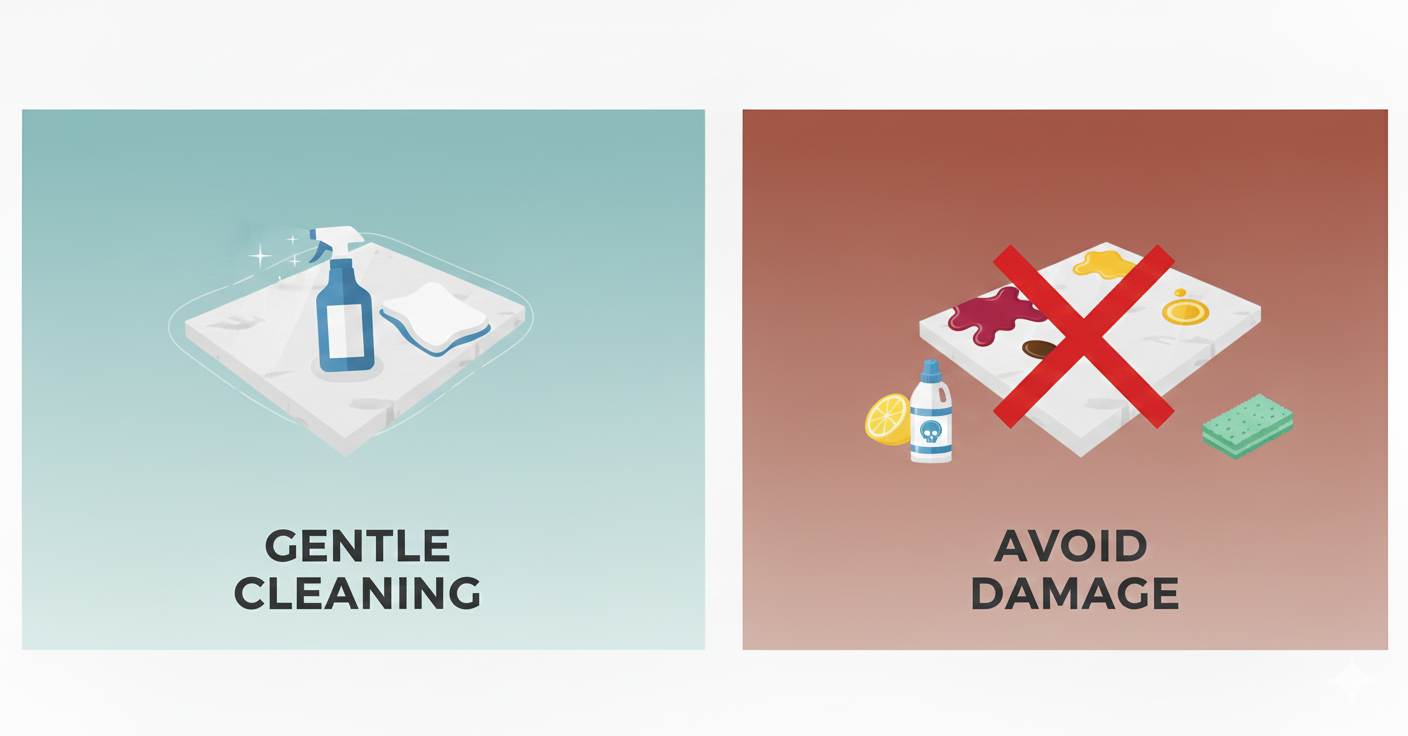
5. Avoid Harsh Cleaners and Chemicals
Certain cleaning products can cause damage to your countertops over time, especially if they contain harsh chemicals or abrasives. Abrasive cleaners or acidic substances can strip away protective coatings or cause etching in stone surfaces.
Why You Should Avoid Harsh Cleaners:
- Scratches and Damage: Harsh chemicals and abrasive pads can scratch or dull the surface, making it more prone to staining and wear.
- Etching: Acidic substances can etch into surfaces like marble and granite, leaving behind permanent marks or dull spots.
How to Clean Safely:
- Use Mild, Non-Abrasive Cleaners: Stick to mild dish soap and warm water for daily cleaning. For deeper cleaning, use a stone-safe cleaner that is pH-neutral and designed for your countertop material.
- Microfiber Cloths: Use microfiber cloths to wipe down countertops, as they are soft enough not to scratch the surface while effectively removing dirt and grime.
Design Tip:
For countertops that see heavy use, it’s a good idea to have a dedicated cleaning routine to prevent build-up. Use mild cleaners and always test any new products on an inconspicuous area before applying them to the whole surface.
6. Regularly Deep Clean Your Countertops
Even with proper care and the best preventative measures, it’s still important to deep clean your countertops occasionally. A thorough cleaning helps remove stubborn dirt and grime that may have built up over time, ensuring your countertops remain beautiful and functional.
How to Deep Clean Your Countertops:
- For Granite and Quartz: Use a pH-neutral cleaner, and then rinse and dry the surface with a soft cloth.
- For Marble: Use a marble-safe cleaner or make a mild cleaning solution with warm water and a small amount of dish soap. Avoid using vinegar or acidic cleaners, as these can cause etching.
- For Wood Countertops: Clean with warm, soapy water and dry immediately. Periodically condition your wood countertops with a food-safe oil or wax to keep them looking their best.
Maintenance Tip:
Make deep cleaning part of your regular kitchen maintenance routine. Depending on usage, perform a deep clean once a week or bi-weekly to ensure your countertops stay in top condition.
Conclusion
Preventing stains in busy kitchens comes down to a combination of proper care, the right materials, and good habits. By choosing stain-resistant countertops, sealing surfaces regularly, cleaning up spills immediately, and using cutting boards and trivets, you can ensure that your countertops stay clean, beautiful, and stain-free for years. Proper cleaning and maintenance will help you enjoy your kitchen’s surfaces without worrying about the wear and tear that comes from daily use. With these practical tips, you can maintain a spotless kitchen and ensure that your countertops remain in excellent condition, even in the busiest of households.