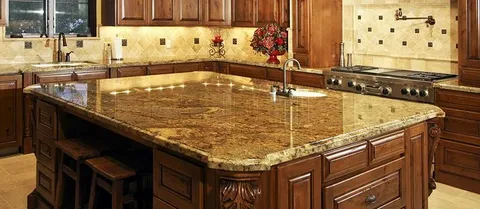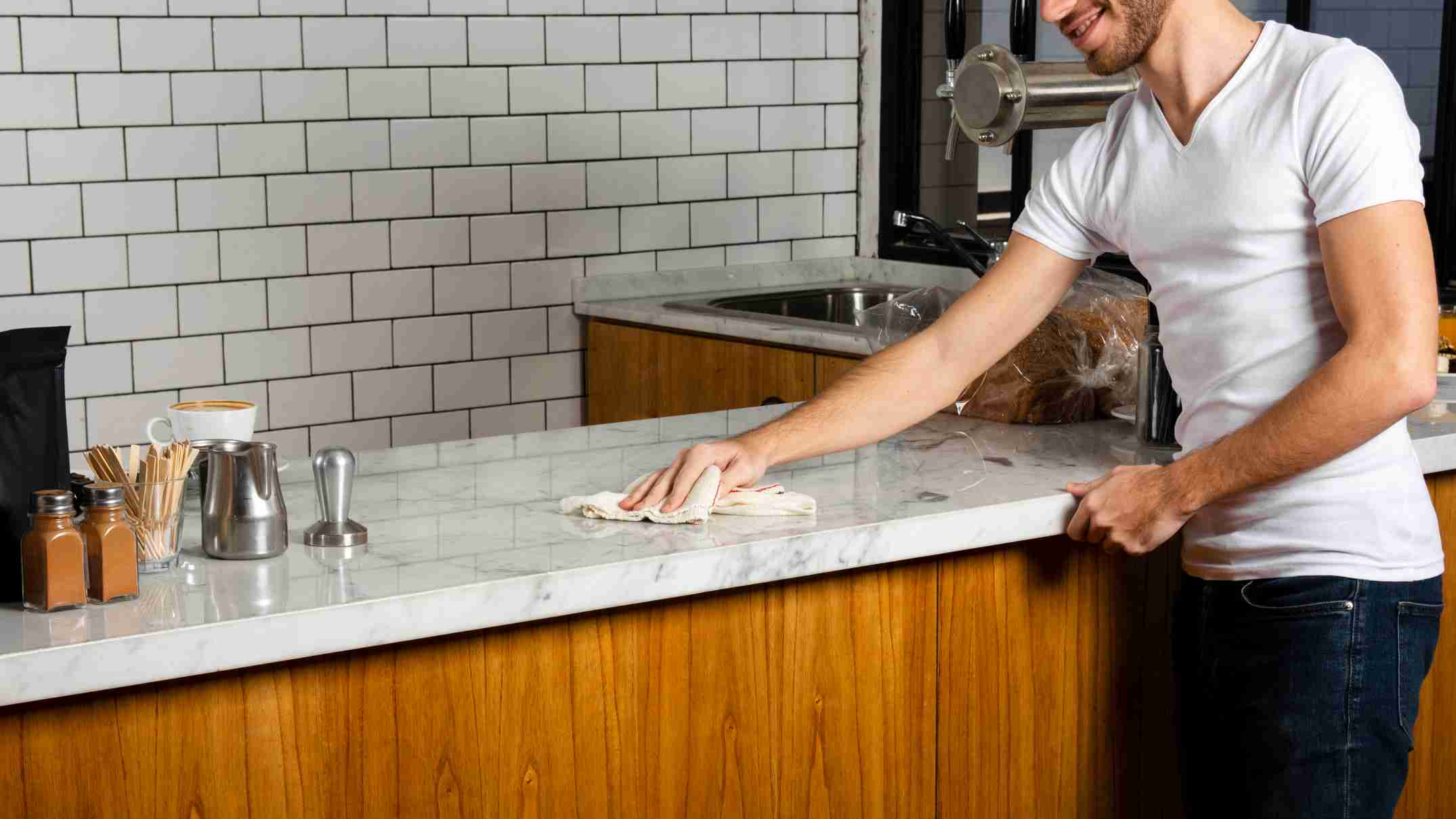

Marble countertops are known for their elegance and timeless beauty. With their unique veining and luxurious appearance, marble has long been a popular choice for kitchens, bathrooms, and even office spaces. However, marble is a softer and more porous material compared to granite and quartz, which means it requires a little more care and attention when it comes to cleaning and maintenance. Improper cleaning methods can result in stains, etching, and discoloration, which may ruin the natural beauty of the marble. But with the right approach, your marble countertops can continue to shine without being damaged. In this article, we’ll explore the best methods for cleaning marble countertops safely, helping you preserve their stunning appearance for years to come.
1. Use pH-Neutral Cleaners
One of the most important aspects of cleaning marble countertops is choosing the right cleaning products. Many standard household cleaners contain acidic ingredients that can etch or dull marble surfaces over time. To avoid damaging your countertops, it’s essential to use a cleaner that is pH-neutral.
Why pH-Neutral Cleaners Are Important:
- Protects Against Etching: Acidic cleaners, such as those containing vinegar or citrus, can cause marble to etch, which leaves dull spots or marks on the surface. Using a pH-neutral cleaner ensures that the marble remains protected.
- Prevents Discoloration: Acidic substances can also cause discoloration, especially if they remain on the surface for an extended period. By using a pH-neutral cleaner, you reduce the risk of staining and discoloration.
Recommended Cleaning Products:
- Dish Soap Solution: A mild dish soap mixed with warm water works wonders on marble. Simply dilute the soap with water, apply to the surface, and wipe with a microfiber cloth to clean away any grime or dust.
- Stone-Specific Cleaners: You can also find commercial stone cleaners specifically designed for marble, which are gentle yet effective in removing dirt and stains without harming the surface.
Design Tip:
If you prefer a DIY approach, mix a small amount of mild dish soap with warm water. Always test your cleaning solution on an inconspicuous area of the marble before applying it to the entire countertop.
2. Avoid Abrasive Cleaning Tools
When cleaning marble, it’s essential to avoid abrasive cleaning tools like steel wool pads or rough sponges. These tools can scratch and damage the surface, causing permanent marks that are difficult to repair.
Why Soft Cloths and Non-Abrasive Sponges Work Best:
- Prevents Scratches: Marble is a relatively soft stone, and rough sponges or scrubbing pads can scratch the surface. Over time, these scratches can become more noticeable and affect the smoothness of the countertop.
- Maintains Smooth Surface: Soft, non-abrasive microfiber cloths or sponges ensure that you can clean the marble without leaving any marks or residue behind.
Recommended Cleaning Tools:
- Microfiber Cloths: These are ideal for cleaning marble because they trap dirt and grime while being gentle on the surface.
- Non-Abrasive Sponges: If you need to scrub a more stubborn stain, use a soft sponge instead of a rough scrubbing pad.
Cleaning Tip:
Always wipe the surface with a dry microfiber cloth after cleaning to avoid streaks or watermarks. This helps maintain the natural luster of the marble.
3. Wipe Up Spills Immediately
Because marble is a porous material, it is especially susceptible to staining if liquids are left on the surface for too long. Spills from acidic liquids like wine, coffee, or fruit juice can be particularly harmful, as they can cause permanent discoloration or etching if not cleaned quickly.
Why Immediate Cleanup Is Essential:
- Prevents Staining: Liquids like red wine, coffee, or lemon juice can seep into the pores of the marble, leaving behind permanent stains. The longer the liquid sits on the countertop, the more likely it is to penetrate the surface.
- Avoids Etching: Acidic liquids can cause marble to become dull or develop etch marks if left on the surface. Etching occurs when the acid reacts with the stone, leaving behind a matte spot.
Quick Spill Cleanup Steps:
- Blot the Spill: As soon as you notice a spill, blot it with a clean, dry paper towel or cloth. Avoid wiping, as this can spread the liquid further across the surface.
- Clean with Mild Soap: After blotting up the spill, clean the area with a mild dish soap solution to remove any remaining residue. Be sure to dry the surface with a microfiber cloth afterward.
Design Tip:
To help protect your marble countertops, use placemats or coasters under drinks or hot items to minimize the risk of spills.
4. Use Marble-Specific Sealer
While marble countertops are incredibly durable, they do require periodic sealing to maintain their appearance and prevent stains. A good-quality marble sealer forms a protective barrier on the surface, making it more resistant to spills and stains. Sealing your marble countertops properly is a key component of maintaining their beauty.
Why Sealing Is Important:
- Protects Against Stains: Marble is naturally porous, meaning it can absorb liquids and stains if not sealed. A sealer helps protect the surface from these issues.
- Enhances Durability: Sealing helps prevent scratches and damage from heavy use, making the marble more resilient to everyday wear and tear.
How to Seal Marble Countertops:
- Choose a High-Quality Sealer: Select a marble-specific sealer that is designed to protect your countertops. Look for a sealer that is easy to apply and provides long-lasting protection.
- Apply the Sealer: Follow the manufacturer’s instructions to apply the sealer. Generally, you’ll need to apply it with a clean cloth, allow it to sit for a few minutes, and then wipe off any excess.
- Frequency: Most marble countertops need to be sealed every 6 to 12 months, but this can vary depending on usage and the specific sealer used. Always check the manufacturer’s recommendations.
Maintenance Tip:
If you’re unsure whether your countertops need resealing, perform the water test: Drop a small amount of water on the surface. If the water beads up, the surface is still sealed. If the water is absorbed into the countertop, it’s time to reseal.
5. Deep Clean Stains with a Baking Soda Paste
If you encounter stubborn stains that don’t come off with mild soap and water, a baking soda paste can be a safe and effective way to deep clean your marble countertops. Baking soda is a gentle abrasive that can help lift stains without damaging the surface.
How to Make and Use a Baking Soda Paste:
- Mix the Paste: Combine baking soda and water to create a thick paste. The consistency should be similar to that of toothpaste.
- Apply the Paste: Apply the paste directly to the stained area, covering it completely. Let it sit for a few hours or overnight (depending on the severity of the stain).
- Wipe and Rinse: After the paste has had time to work, wipe it off with a soft cloth or sponge, then rinse with warm water and dry the surface with a microfiber cloth.
Maintenance Tip:
Always test the paste on a small, inconspicuous area of the marble before applying it to the entire surface to ensure it doesn’t cause any damage.
Conclusion
Cleaning marble countertops requires a little extra care, but with the right techniques and products, you can keep them looking beautiful for many years. By using pH-neutral cleaners, avoiding abrasive tools, wiping up spills immediately, sealing the surface, and addressing stains with gentle methods like a baking soda paste, you can maintain the elegance of your marble countertops while protecting them from damage. With proper care and attention, your marble countertops will remain a stunning feature of your kitchen or bathroom, adding luxury and timeless beauty to your home.