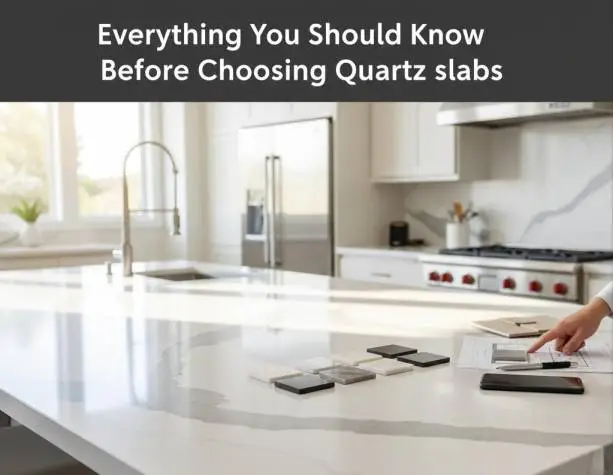
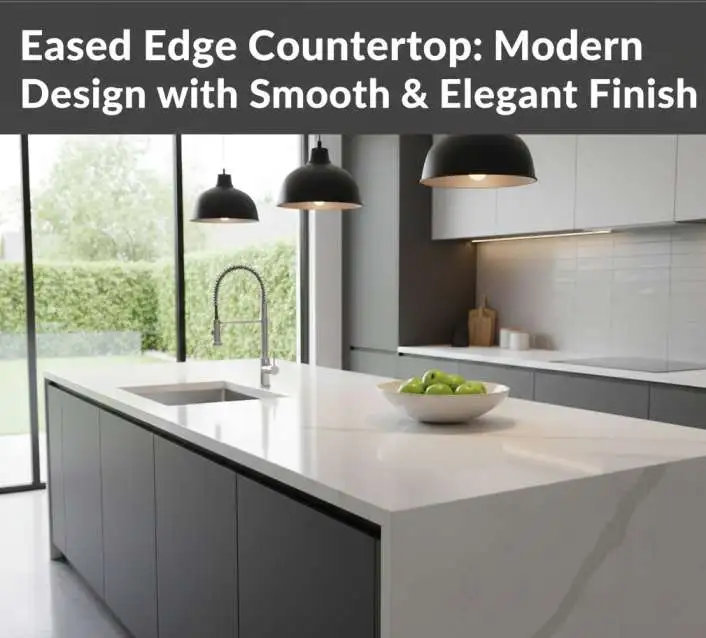
Choosing surfaces for a home or commercial space is not a small decision. Countertops, islands, vanity tops, and feature walls all play a big role in how a space looks and how it performs every single day. Homeowners today want materials that are reliable, visually appealing, and easy to live with. That is why engineered stone surfaces are getting so much attention in modern interiors.
This article explains what you should know before making a final decision, focusing on practical use, design options, cost planning, and long-term value. The goal is to help you feel confident and informed, without confusing terms or sales language.
Why Quartz Slabs Are So Popular in Modern Homes
One major reason people choose quartz slabs is their balance between beauty and everyday practicality. These surfaces are designed to handle regular use without demanding constant care. Unlike some natural stones, they offer a consistent appearance and dependable performance across the entire surface.
In kitchens, bathrooms, and workspaces, people want something that looks clean and stays that way with minimal effort. Engineered stone fits this need well, especially for households with children, frequent cooking, or rental use.
What This Material Is and How It Is Made
To understand its strengths, it helps to know how this surface is produced. It is created by combining crushed natural quartz with binding resins and color pigments. This process results in a dense, non-porous surface that resists moisture and staining far better than many natural alternatives.
Because manufacturing is controlled, the final slabs show uniform color and pattern. This consistency is useful when installing large countertops or matching multiple sections within one space.
Everyday Benefits That Matter Most
From daily cleaning to long-term durability, this engineered option offers advantages that suit modern lifestyles.
Key benefits include:
- Resistance to spills and stains
- No need for periodic sealing
- Smooth surface that is easy to wipe clean
- Wide range of colors and finishes
These features make quartz slabs especially attractive for people who want a stylish surface without ongoing maintenance concerns.
Comparing It With Other Countertop Materials
Choosing a surface often means comparing several options side by side. Each material has strengths and limitations depending on how and where it will be used.
| Feature | Engineered Quartz | Granite | Marble | Laminate |
| Porosity | Non-porous | Porous | Very porous | Non-porous |
| Maintenance | Very low | Moderate | High | Low |
| Pattern consistency | High | Medium | Low | High |
| Scratch resistance | High | High | Medium | Low |
| Visual variety | Very wide | Natural variation | Limited | Wide |
For many buyers, quartz slabs stand out because they combine durability with visual consistency, which is not always easy to achieve with natural stone.
Design Choices and Visual Appeal
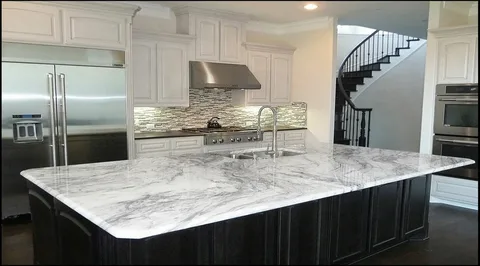
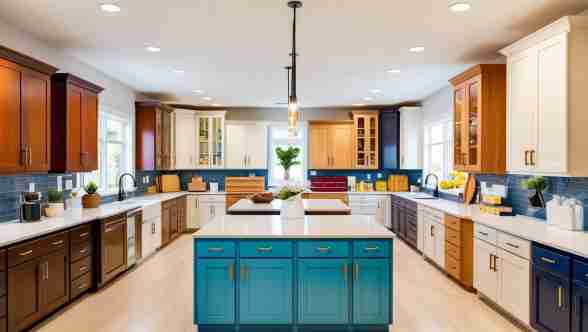
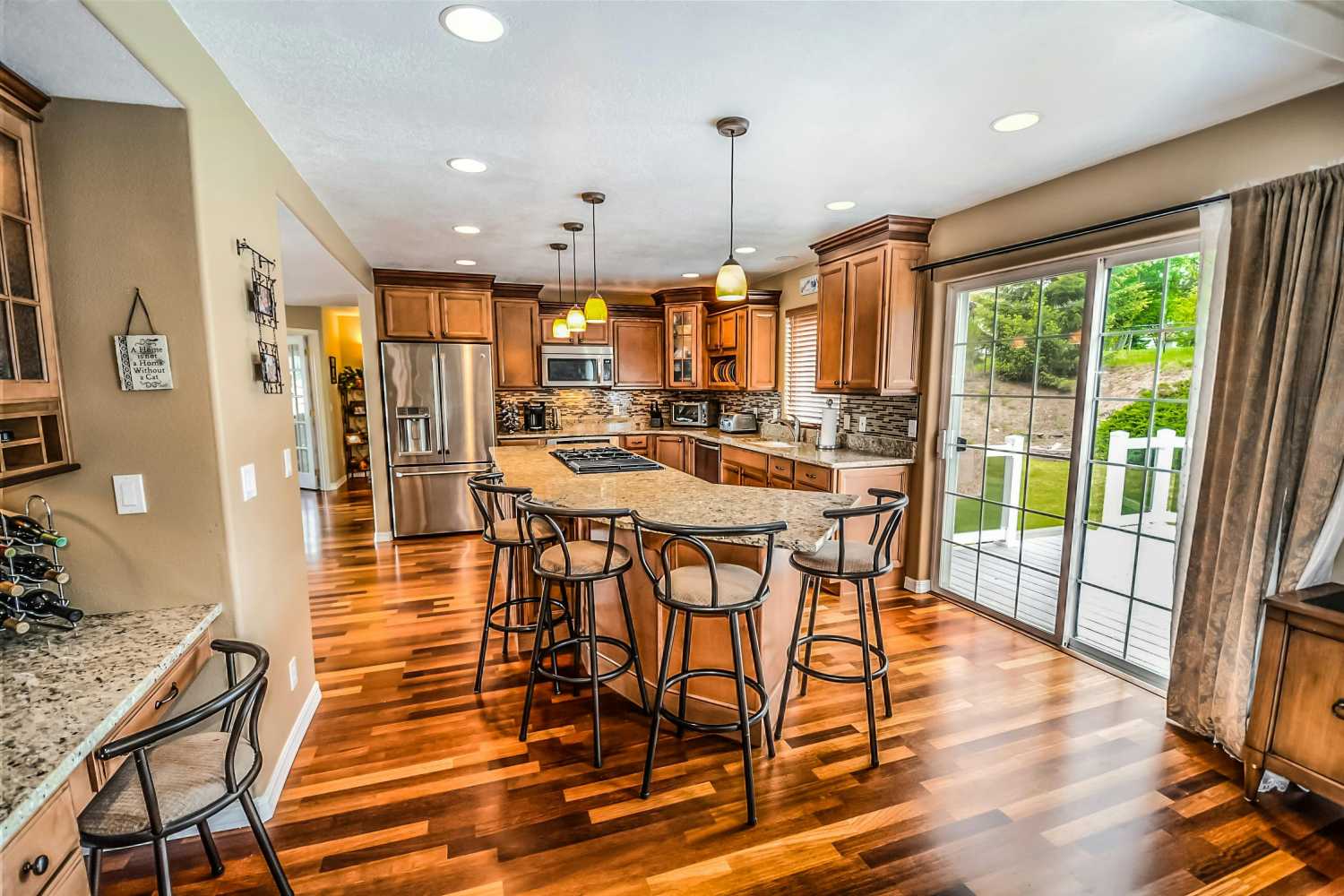
Design flexibility is another strong reason this surface is widely used. Whether you prefer minimal interiors or bold statement kitchens, there are options to suit almost every style.
Popular looks include:
- Clean whites and soft neutrals
- Marble-inspired patterns without high upkeep
- Concrete-style finishes for industrial interiors
- Matte or polished textures based on lighting needs
Because the colors are engineered, it is easier to match cabinets, flooring, and wall finishes without unexpected variations.
Installation Details You Should Pay Attention To
Even the best surface material depends heavily on proper installation. Professional fabrication and fitting ensure long-lasting performance and a clean final look.
Important installation points include:
- Strong, level cabinetry for support
- Accurate seam placement
- Proper reinforcement for overhangs
- Precise cutouts for sinks and appliances
Good installation protects your investment and ensures quartz slabs perform as expected for many years.
Cost Factors and Budget Planning
Pricing can vary based on brand, thickness, finish, and regional labor rates. While engineered stone may not be the cheapest option upfront, it often proves cost-effective over time.
Cost considerations usually include:
- Material price per square foot
- Edge detailing and cutouts
- Transportation and installation
Because maintenance costs are low and repairs are rarely needed, many homeowners see long-term value in quartz slabs compared to materials that require sealing or special care.
Detailed Information Summary
This section offers a quick reference to help you review the most important points before making a final decision.
| Category | Information |
| Material type | Engineered stone |
| Common applications | Kitchens, bathrooms, wall cladding |
| Maintenance needs | Minimal |
| Water resistance | Excellent |
| Typical thickness options | 12 mm, 20 mm, 30 mm |
| Expected lifespan | Several decades |
Looking at this summary can help you decide if quartz slabs align with your functional needs and design preferences.
Daily Care and Long-Term Performance
Caring for this surface is simple and does not require special products. Mild soap and water are usually enough to keep it clean. Avoid harsh chemicals and use cutting boards to protect the finish. Heat resistance is reasonable, but using trivets under very hot cookware is recommended. With basic care habits, the surface keeps its appearance without extra effort.
Final Thoughts Before Making Your Choice
Surface selection is about more than trends. It is about choosing something that works for your lifestyle, complements your interior design, and stays reliable over time. Engineered stone offers a strong mix of appearance, strength, and convenience. For homeowners who want durability without constant upkeep, quartz slabs are often a smart and practical option worth serious consideration.
FAQs
1. Are quartz slabs a good choice for busy kitchens?
Yes, quartz slabs work well in busy kitchens because they resist stains, clean easily, and handle daily cooking activities without needing sealing.
2. Do quartz slabs require special maintenance routines?
No, quartz slabs only need simple cleaning with mild soap and water, making them easier to maintain than many natural stone surfaces.
3. Can quartz slabs crack or chip over time?
When properly installed, quartz slabs are highly durable. Normal household use rarely causes damage, though heavy impact should be avoided.
4. Are quartz slabs made from natural materials?
Yes, quartz slabs contain natural quartz combined with resins. More details about quartz as a mineral can be found on Wikipedia: https://en.wikipedia.org/wiki/Quartz
5. How long can quartz slabs last in a home?
With correct installation and basic care, quartz slabs can last for decades while maintaining their appearance and performance.