
Marble countertops are a timeless addition to any kitchen or bathroom, offering both beauty and functionality. However, without proper maintenance, the natural stone can lose its shine and elegance over time. In this guide, we’ll show you how to maintain your marble countertops to ensure they retain their long-lasting shine.
1. Why Marble Countertop Maintenance is Important
Maintaining marble countertops is crucial to preserve their aesthetic appeal and functionality. Marble, though durable, is a porous stone that can absorb liquids and oils, leading to staining. It is also susceptible to scratches and damage from acidic substances, which can dull its surface. Regular care and maintenance will not only keep your countertops looking pristine but also increase their lifespan.
Understanding the Nature of Marble:
- Marble is a natural stone formed from limestone, which means it has a distinct porous quality.
- Its porous nature makes it prone to staining from substances like wine, coffee, or oils.
- Proper sealing and regular care are essential to maintaining its finish and sheen.
2. Regular Cleaning Practices for Marble Countertops
The first step in keeping your marble countertops shining is regular cleaning. Fortunately, cleaning marble is simple and doesn’t require specialized cleaners. Here’s how you can maintain a sparkling clean surface:
Daily Cleaning:
- Use a Soft Cloth: Always use a soft microfiber cloth to clean the surface. Avoid abrasive sponges that can scratch the surface.
- Warm Water & Mild Soap: For regular cleaning, mix warm water with a small amount of mild dish soap. Avoid harsh chemicals, as they can dull the surface.
- Dry Immediately: After wiping, dry the surface with a clean towel to prevent water spots or streaks.
Avoiding Common Cleaning Mistakes:
- Avoid Acidic Cleaners: Never use vinegar, lemon juice, or harsh commercial cleaners, as these can cause etching and dullness.
- Avoid Abrasive Scrubbers: Steel wool or scrubbing pads can scratch and damage the surface, leaving permanent marks.
3. Sealing Your Marble Countertops for Extra Protection
One of the most important steps in maintaining marble countertops is sealing them. Since marble is porous, it can absorb liquids and oils that may lead to stains or damage over time. Sealing creates a protective barrier that prevents stains from soaking into the stone.
How to Seal Your Marble Countertop:
- Choose a High-Quality Sealant: Use a stone-specific, penetrating sealer. Avoid surface sealers that can wear off over time.
- Clean the Surface First: Make sure your countertop is clean and dry before applying the sealant. Any leftover dirt or residue will prevent the sealer from adhering properly.
- Apply the Sealant: Follow the manufacturer’s instructions. Typically, you will apply a thin layer of sealer and allow it to soak in. Let it sit for 15-20 minutes and then wipe off any excess with a soft cloth.
- Repeat Sealing Process: Depending on the amount of use your countertop gets, you should reseal your marble countertop once or twice a year.
4. Preventing and Dealing with Stains on Marble
Stains are one of the most common issues that can affect the appearance of your marble countertops. While marble is durable, it can stain easily if not properly maintained. Here’s how you can prevent stains and treat them effectively:
Common Stains and How to Handle Them:
- Oil and Grease Stains: These are often caused by cooking oils, salad dressings, or greasy food. To remove these stains, make a poultice of baking soda and water, apply it to the stained area, and let it sit for 24 hours before wiping away.
- Wine and Coffee Stains: To remove stains from wine or coffee, apply a mixture of hydrogen peroxide and a mild detergent. Use a soft cloth to gently scrub the stain, being careful not to scratch the surface.
- Ink Stains: Ink can be challenging to remove from marble, but you can use a poultice of baking soda and water. Apply it to the ink stain, and let it sit overnight. Rinse it off with warm water the next day.
Preventing Future Stains:
- Use Coasters and Mats: Always use coasters for drinks and mats for hot pans to prevent stains and heat damage.
- Clean Spills Immediately: Wipe up spills as soon as they happen. The longer they sit, the greater the risk of staining.
Related Article: Top Benefits of Installing Marble Countertops in Your Kitchen
5. Polishing Your Marble Countertop to Restore Its Shine
Over time, even with regular cleaning and care, marble countertops can lose their shine due to wear and tear. Polishing your marble is a simple way to restore its natural luster and shine. Here’s how you can polish your marble countertop effectively:
How to Polish Marble Countertops:
- Use a Marble Polishing Powder: Marble polishing powders are available in most home improvement stores. These powders can restore the shine by filling in tiny imperfections and smoothening the surface.
- Application Process: Sprinkle the polishing powder onto the countertop and buff it gently with a soft cloth or a buffing pad. Make sure to follow the instructions on the product you are using for best results.
- Buffing: Continue buffing in circular motions to bring out the shine. Buff until the surface appears glossy and smooth.
Natural Polishing Solutions:
- Baking Soda Paste: If you prefer a natural method, you can make a paste of baking soda and water. Apply it to the countertop and gently rub it in a circular motion with a cloth. This can help restore the shine without harsh chemicals.
6. Preventing Scratches and Chips on Marble
Though marble is durable, it is still vulnerable to scratches, chips, and cracks, especially from sharp objects or heavy impacts. Here’s how you can prevent such damage:
Preventing Scratches:
- Use Cutting Boards: Always use a cutting board when chopping or slicing food. Avoid cutting directly on your marble countertop, as this can cause scratches.
- Use Coasters for Glassware: Coasters can protect your countertop from scratches caused by glasses, mugs, or bottles.
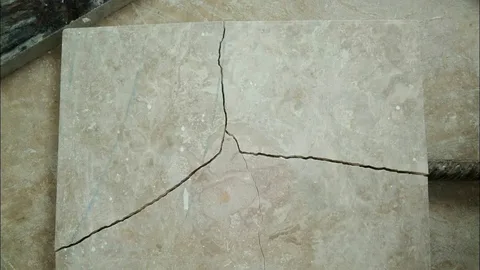
- Avoid Heavy Impacts: Marble is more prone to cracking under heavy impacts. Be cautious when placing heavy pots or dropping kitchen tools.
Repairing Minor Scratches and Chips:
- For Small Scratches: Use a marble polishing powder or a stone polish to buff out minor scratches. If the scratch is deep, consider consulting a professional to repair it.
- For Chips: Chips in marble can often be repaired using a resin filler. A marble restoration professional can help you with more significant repairs.
7. The Importance of Regular Inspection
Regular inspection of your marble countertops is essential for catching any potential issues early on. This will help you address minor problems before they become major repairs.
What to Look For During Inspections:
- Check for Cracks or Chips: Regularly inspect the surface for any cracks, chips, or damage. These issues can worsen over time if not addressed quickly.
- Monitor the Sealing: Ensure that the sealant is still intact and the countertop isn’t absorbing liquids. Reseal as necessary to maintain protection.
- Check for Stains or Discoloration: Look for any stains or discoloration that may have developed, and address them promptly to avoid permanent damage.
Conclusion: Keeping Your Marble Countertops Pristine
With the right care and maintenance, your marble countertops can remain beautiful and functional for many years. Regular cleaning, proper sealing, stain prevention, polishing, and inspections are key to keeping your countertops looking like new. While marble requires attention and care, its elegance and durability make it a worthwhile investment for your kitchen or bathroom.
By following these tips, you’ll ensure that your marble countertops continue to shine and add value to your home for years to come.
FAQs about Maintaining Marble Countertops
1. How often should I clean my marble countertops?
You should clean your marble countertops daily with warm water and mild soap to remove dirt and grime. For deep cleaning, use a marble-safe cleaner once a week.
2. Can I use vinegar to clean my marble countertops?
No, vinegar is too acidic and can cause etching on marble. Always use a pH-neutral cleaner or mild dish soap.
3. How often do I need to reseal my marble countertops?
Reseal your marble countertops once or twice a year, depending on how frequently they are used. Perform a water test to check if sealing is necessary.
4. How do I remove scratches from my marble countertop?
For small scratches, use marble polishing powder. For deeper scratches, you may need professional help for repair.
5. Can I restore the shine on my marble countertop?
Yes, you can restore the shine with marble polishing powders or a natural baking soda paste. Regular polishing will keep your countertop looking glossy.