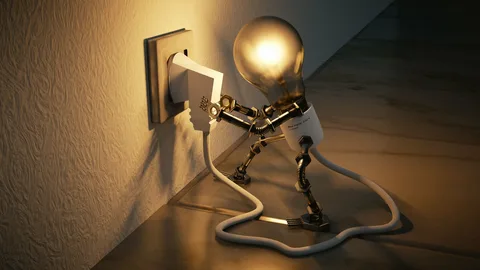

Electricity is one of the most important parts of our daily life. We use it from the moment we wake up until we go to sleep. It powers our lights. It runs our fans and air conditioners. It charges our phones. Without electricity, modern life would stop.
In simple words, electricity is a form of energy. It comes from the movement of tiny particles called electrons. These particles move through wires and create power. This power runs machines, devices, and systems around us. Electricity is important because it makes life easier. It gives us comfort. It helps us work faster. It supports hospitals, schools, offices, and factories. Modern society depends on electricity for almost everything.
In this guide, you will learn what electricity is. You will understand its types. You will explore its uses and benefits. You will also learn about safety and the future of electricity.
What Is Electricity?
The Basic Concept of Electricity
Electricity is the movement of electric charge. This charge is carried by electrons. Electrons are very small particles found inside atoms. When electrons move from one place to another, they create electric energy. This movement happens through materials called conductors. Metals like copper are good conductors. They allow electrons to move easily.
On the other hand, some materials do not allow electrons to move easily. These are called insulators. Plastic and rubber are common insulators. They help protect us from electric shocks.
How Electricity Is Generated
Electricity is produced by converting other forms of energy. This process is called energy conversion. Most power plants convert mechanical energy into electrical energy. A machine called a generator is used for this purpose. When the generator spins, it creates electricity.
The spinning usually happens because of steam, water, or wind. The movement turns a turbine. The turbine rotates the generator. This process creates electric power.
Power Plants and Energy Sources
There are different types of power plants:
- Fossil fuel power plants burn coal, oil, or gas to produce steam.
- Hydroelectric plants use flowing water to spin turbines.
- Wind turbines use wind energy to rotate blades.
- Solar panels convert sunlight directly into electricity.
- Nuclear power plants use nuclear reactions to create heat and steam.
Each source has its own advantages and challenges.
How Electricity Reaches Our Homes
After electricity is generated, it travels through transmission lines. These lines carry power over long distances.
Electricity then passes through substations. Substations control and reduce voltage levels. Transformers play a key role. They adjust voltage so it is safe for homes and businesses. Finally, electricity reaches our homes through distribution systems.
Main Types of Electricity
Static Electricity
Static electricity is a type of electricity where charges build up on the surface of an object. It does not flow continuously. It happens when two objects rub against each other. This rubbing transfers electrons from one object to another.
Examples of Static Electricity
- Lightning during a storm
- Rubbing a balloon on hair
- Small electric shocks when touching metal
Static electricity is usually short lived. It is not used to power devices.
Current Electricity
Current electricity is the continuous flow of electric charge through a conductor. This is the type of electricity we use every day. It flows through wires and powers appliances. It is more useful than static electricity because it can provide steady energy.
Direct Current DC
Direct Current or DC flows in one direction. The electrons move from the negative side to the positive side in a steady path.
Common uses of DC include:
- Batteries
- Solar panels
- Electronic devices like laptops and phones
Alternating Current AC
Alternating Current or AC changes direction many times per second. The electrons move back and forth. AC is used in homes and industries. It is easier to transmit over long distances. It also reduces energy loss during transmission.
Key Components of an Electrical System
Basic Electrical Circuit
An electrical circuit has four main parts:
- Source which provides energy
- Wires which carry electricity
- Load which uses electricity
- Switch which controls the flow
When the switch is on, the circuit is complete. Electricity flows and powers the load.
Types of Circuits
There are two main types of circuits.
A series circuit has one path for electricity to flow. If one device fails, the whole circuit stops working. A parallel circuit has multiple paths. If one device fails, others keep working. Most homes use parallel circuits.
Differences Between Series and Parallel Circuits
In a series circuit, current flows through each device one by one. In a parallel circuit, current splits into different paths. Parallel circuits are safer for homes. They allow appliances to work independently.
Important Electrical Terms
- Voltage is the force that pushes electric charge.
- Current is the flow of electric charge.
- Resistance is the opposition to current flow.
- Power is the rate at which energy is used.
Ohm’s Law Explained Simply
Ohm’s Law explains the relationship between voltage, current, and resistance. If voltage increases, current increases. If resistance increases, current decreases.
For example, if you increase resistance in a circuit, less current will flow. This simple rule helps engineers design safe systems.
Common Uses of Electricity
Residential Uses
Electricity is used in homes for:
- Lighting
- Heating and cooling
- Kitchen appliances
- Entertainment systems
It makes daily tasks easy and fast.
Commercial Uses
Offices and shops depend on electricity for:
- Computers and printers
- Retail lighting
- Communication systems
Without electricity, business operations would stop.
Industrial Uses
Industries use electricity for:
- Heavy machinery
- Manufacturing processes
- Automation systems
Electric power increases production speed and accuracy.
Transportation
Electricity is also used in:
- Electric vehicles
- Trains
- Charging stations
Electric transport reduces fuel use and pollution.
Healthcare Applications
Hospitals rely on electricity for:
- Medical equipment
- Life support systems
- Diagnostic machines
Electricity helps save lives every day.
Benefits of Electricity
Improved Quality of Life
Electricity brings comfort and convenience. It gives access to information through the internet. It improves communication through phones and computers.
Economic Growth
Electricity supports businesses. It creates jobs. It increases productivity in factories and offices.
Technological Advancement
Electricity drives innovation. It powers smart homes. It supports artificial intelligence systems and advanced devices.
Environmental Benefits
Renewable energy sources like wind and solar reduce carbon emissions. Energy efficient technologies save power and protect the environment.
Safety and Responsible Use of Electricity
Common Electrical Hazards
Some common dangers include:
- Short circuits
- Overloading
- Electric shocks
These hazards can cause fires or injuries.
Basic Safety Tips
- Ensure proper wiring
- Avoid contact with water
- Use certified appliances
Safety for Children
- Use outlet covers
- Keep wires out of reach
Workplace Electrical Safety
- Wear protective equipment
- Conduct regular inspections
- Follow safety standards
Safety should always be a priority.
Future of Electricity
Renewable Energy Expansion
Solar and wind energy are growing fast. Many countries are building smart grids to manage electricity better.
Energy Storage Solutions
Batteries store electricity for later use. Grid storage systems help balance supply and demand.
Smart Technology Integration
Smart meters track energy use. Home automation systems control lighting and appliances. Internet of Things devices connect systems for better efficiency.
Conclusion
Electricity is a powerful and essential form of energy. It exists in two main types which are static and current electricity. It powers homes, businesses, industries, transport, and healthcare. It improves our quality of life. It supports economic growth. It drives technology and innovation. Renewable sources also make it more sustainable. Safe use of electricity is very important. Proper wiring and responsible consumption protect lives and property. Electricity will continue to shape the future. With smart systems and clean energy, it will make life better for generations to come.
For More Information, Visit Blospire