

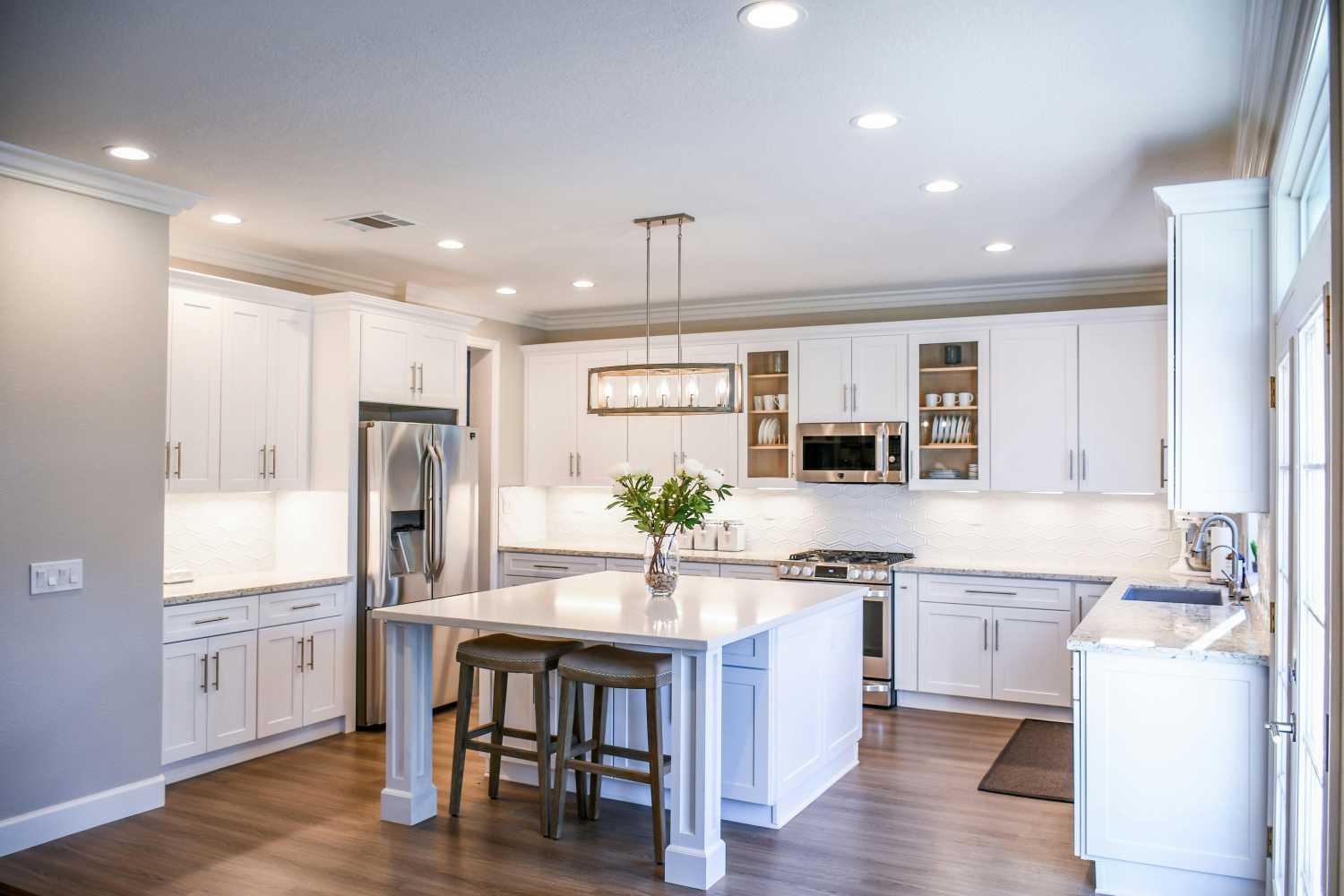
Choosing the right marble countertop color is an essential step in creating a cohesive and stylish kitchen or bathroom. With so many options available, it can be challenging to decide which color best complements your space. Marble’s natural beauty and variety of shades offer endless possibilities for enhancing your home’s design. In this article, we’ll walk you through how to select the perfect marble countertop color based on your home’s aesthetic, functionality, and personal taste.
1. Understanding Marble’s Color Variations
Marble countertops come in a wide range of colors, from light and airy whites to deep and dramatic blacks. Each type of marble has its unique color palette, and understanding these variations will help you make an informed decision.
Common Marble Colors:
- White Marble: The most classic and timeless choice, white marble comes in shades ranging from bright white to soft, creamy whites with light veining. It’s often used in traditional and modern kitchens for its clean, fresh appearance.
- Gray Marble: Gray marble can range from light dove gray to dark charcoal. The subtle veining in gray marble can add depth and texture, making it a great option for contemporary and minimalist kitchens.
- Black Marble: For a bold and dramatic look, black marble with white veining (like Nero Marquina) can create a striking contrast in modern kitchens or bathrooms. It adds a sense of luxury and sophistication.
- Beige and Brown Marble: Beige, tan, and brown marbles (like Emperador) create a warmer, more inviting atmosphere. These shades are perfect for rustic or farmhouse kitchens and bathrooms that aim for a cozy, natural feel.
- Green and Blue Marble: For a unique, luxurious look, green and blue marbles offer rare colors that can add a distinctive touch to your space. These shades often feature intricate veining patterns that create a stunning focal point.
2. Consider Your Home’s Style and Existing Color Scheme
When choosing the right marble countertop color, consider the existing color palette and design style of your home. The marble color should complement the other elements in your kitchen or bathroom, including cabinetry, flooring, and wall colors.
For Modern and Contemporary Designs:
- White Marble with Gray Veining (Carrara or Calacatta): White marble with subtle gray veins is ideal for clean, modern designs. It pairs well with sleek, minimalist cabinetry in shades of white, black, or gray.
- Black Marble (Nero Marquina): Black marble works beautifully in contemporary kitchens with contrasting elements. Pair it with light-colored cabinetry or stainless steel appliances for a bold, high-contrast look.
For Traditional and Classic Designs:
- White Marble (Carrara or Statuario): Classic white marble countertops are perfect for traditional kitchens, offering a timeless and elegant feel. It pairs well with wood cabinetry or antique finishes.
- Beige and Brown Marble (Emperador): Warm, earthy tones like beige and brown marble create a cozy and inviting atmosphere, ideal for rustic or country-style kitchens and bathrooms.
For Eclectic or Bohemian Styles:
- Unique Colored Marble (Green, Blue, or Pink): If your home features an eclectic or bohemian design, you can experiment with unique marble colors like green, blue, or pink. These shades add personality and creativity to the space while still maintaining marble’s luxurious appeal.
3. Match Your Countertop Color with Cabinetry and Flooring
One of the most important aspects of choosing a marble countertop color is ensuring it complements your cabinetry and flooring. Here are a few tips for achieving a harmonious design:
Pairing Marble with Light-Colored Cabinets:
- White or Light Gray Marble: Light marble countertops work well with light-colored cabinetry, such as white, off-white, or pale gray. This combination creates a fresh, open feel, making the space appear larger and brighter.
- Beige or Light Brown Marble: If you have light-colored wood cabinetry, beige or light brown marble can create a warm and inviting space.
Pairing Marble with Dark-Colored Cabinets:
- White or Calacatta Marble: If you have dark cabinets, such as black, navy, or deep brown, a white or Calacatta marble countertop with bold veins can create a stunning contrast.
- Gray or Black Marble: For a more dramatic and luxurious look, pairing gray or black marble with dark cabinetry can enhance the sophistication of the space.
Pairing Marble with Wooden Cabinets:
- Carrara Marble (White with Gray Veining): Carrara marble’s soft white background with subtle gray veins complements wooden cabinetry beautifully, creating a balance of natural and luxurious elements.
- Emperador Marble (Brown and Beige Tones): Emperador marble works particularly well with wood cabinetry, bringing out the warm tones of the wood for a rustic or farmhouse-style kitchen.
Flooring Considerations:
- If your kitchen or bathroom features natural stone flooring such as travertine or slate, choose a marble countertop that complements the flooring’s color. For example, beige or gray marble countertops pair beautifully with natural stone floors.
- For wood or tile flooring, marble countertops with subtle veining will tie the space together, while bold marbles like black or green can make a statement.
4. Functionality and Maintenance Considerations
While color is essential, it’s also important to consider the functionality and maintenance needs of your marble countertop. Lighter colors, such as white or beige, may show stains and marks more easily, requiring more frequent cleaning and sealing. On the other hand, darker colors like black or dark gray may hide stains better but can show dust and fingerprints more clearly.
Choosing a Lighter Marble Color:
- Lighter marbles, such as Carrara or Statuario, create an elegant, bright look. However, they require more attention when it comes to maintenance, especially if you cook frequently. Be prepared to clean spills immediately and reseal your countertops regularly.
Choosing a Darker Marble Color:
- Darker marbles, like Nero Marquina or black marble, tend to be more forgiving when it comes to stains and marks. They may hide imperfections better but require regular cleaning to avoid dust buildup. Dark marbles work well in high-traffic kitchens or bathrooms where cleanliness is a priority.
5. Budget and Cost Considerations
The cost of marble countertops can vary significantly based on the color, pattern, and rarity of the marble. White and gray marbles, such as Carrara, are typically more affordable, while rare or high-end marbles like Calacatta or Statuario are more expensive due to their striking veining and limited availability.
Budget-Friendly Options:
- Carrara Marble: One of the most affordable and widely available types of marble, Carrara offers a classic look that works in various design styles.
- Gray Marble: Gray marble with subtle veining is a versatile and often more budget-friendly option that can complement a range of home styles.
High-End Marble Options:
- Calacatta Marble: Known for its luxurious and dramatic veining, Calacatta marble is a high-end choice that adds a touch of elegance to any space.
- Statuario Marble: A premium choice with striking veining and a bright white background, Statuario marble can be an investment in your home’s aesthetic.
6. Experimenting with Two-Tone or Contrasting Marble
For those looking to add extra flair to their design, experimenting with two-tone or contrasting marble countertops can create a visually striking effect. Pairing different marble colors or using marble as an accent in specific areas (like an island or backsplash) can give your kitchen or bathroom a more personalized, dynamic look.
Popular Two-Tone Combinations:
- White Marble with Black Marble Accents: For a high-contrast look, pair white marble countertops with black marble accents or a black marble island.
- Gray Marble with Calacatta Marble: Combining subtle gray marble with the bold veining of Calacatta marble creates a luxurious and sophisticated look.
Conclusion:
Selecting the right marble countertop color is a crucial step in creating a beautiful and functional space. Consider your home’s design style, existing color palette, and maintenance needs when choosing a marble color. Whether you opt for classic white Carrara, dramatic black Nero Marquina, or unique colored marbles like green or blue, marble will elevate your home’s design with its timeless beauty and luxurious appeal.
Read More:https://blospire.com/custom-kitchen-door-designs-that-blend-simplicity-and-elegance/
FAQs about Choosing the Right Marble Countertop Color
1. What is the best marble color for a modern kitchen?
White marble with gray veining (like Carrara or Calacatta) is perfect for modern kitchens, as it offers a clean, minimalist aesthetic. For a bolder look, you can opt for black marble with white veining.
2. Can I mix different marble colors in my kitchen?
Yes, you can mix different marble colors, such as pairing white marble countertops with black marble accents or using contrasting colors for the island and perimeter counters. This creates a dynamic and personalized design.
3. Is dark marble harder to maintain than light marble?
While dark marble tends to hide stains better, it may show dust and fingerprints more easily. Light marble, such as Carrara, requires more frequent cleaning to maintain its pristine look.
4. How often do I need to seal my marble countertop?
Marble countertops should be sealed every 6-12 months to protect against stains and moisture. The frequency of sealing depends on the level of use and the type of marble.
5. What marble color is best for a rustic or farmhouse kitchen?
Beige and brown marbles, like Emperador, work well in rustic or farmhouse kitchens. Their warm tones complement wood cabinetry and create a cozy, inviting atmosphere.
