Marble countertops are an elegant addition to any home, but like all natural stone surfaces, they can be susceptible to damage over time. Chips, cracks, and minor surface damage are common, especially in high-traffic areas like kitchens. The good news is that, with the right tools and techniques, most marble countertop issues can be repaired easily at home. In this guide, we will walk you through the process of repairing chips and cracks in your marble countertop to restore its beauty and functionality.
1. Assessing the Damage: How to Identify Chips and Cracks
Before repairing your marble countertop, it’s essential to assess the extent of the damage. Marble is a relatively soft stone, which makes it prone to scratching, chipping, or cracking if heavy objects are dropped or sharp items are dragged across the surface.
Types of Damage to Look For:
- Chips: Small pieces of marble may break off from the edge or surface. Chips are typically caused by impacts from heavy pots, dishes, or appliances.
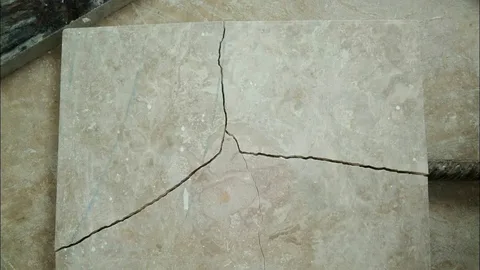
- Cracks: Cracks can form in marble due to thermal shock, stress from heavy objects, or natural wear and tear. Cracks can be hairline fractures or more significant, depending on the force exerted on the surface.
Key Tips for Assessing Damage:
- Check the edges of the countertop and any areas where cracks or chips are visible.
- Use a magnifying glass to check for small chips or hairline cracks that might be difficult to see with the naked eye.
- If the crack is large or deep, you may need professional assistance for a more thorough repair.
2. How to Repair Small Chips in Marble Countertops
If the damage is limited to small chips, you can typically repair it yourself using a marble repair kit or a DIY solution. Here’s how to fix chips in your marble countertop:
Materials Needed:
- Marble repair kit or epoxy resin
- Plastic putty knife or spatula
- Soft cloths
- Marble polishing compound
Step-by-Step Instructions:
- Clean the Area:
- Begin by cleaning the chipped area with warm, soapy water to remove any dirt or grease. Dry the surface thoroughly with a soft cloth.
- Prepare the Epoxy Resin:
- If you’re using a marble repair kit, follow the instructions provided to mix the epoxy resin or adhesive. These kits often come with color-matched fillers to blend with your marble’s color.
- Apply the Epoxy:
- Use the plastic putty knife to fill the chip with the epoxy resin. Make sure to apply the epoxy slightly above the surface to allow for leveling once it sets.
- Smooth and Level:
- Allow the resin to cure for the recommended time (usually 24 hours). After curing, use a fine-grit sandpaper or a smoothing tool to level the surface of the epoxy with the surrounding marble.
- Polish the Repair:
- Once the epoxy is smooth, use a marble polishing compound to buff the repaired area and blend it with the rest of the countertop. This will restore the shine and ensure the repair is nearly invisible.
3. How to Repair Cracks in Marble Countertops
Repairing cracks in marble requires more care and precision, especially if the crack is large or deep. For minor cracks, you can use epoxy resin, but for more significant damage, it may be best to call in a professional. Here’s how to handle small cracks at home:
Materials Needed:
- Epoxy resin or crack filler
- Plastic spatula or putty knife
- Fine-grit sandpaper
- Soft cloth
- Marble polishing compound
Step-by-Step Instructions:
- Clean the Cracked Area:
- As with chips, clean the area around the crack with warm water and mild soap to ensure there is no debris or grease that could interfere with the repair. Dry thoroughly.
- Apply Epoxy Resin:
- For hairline cracks, use a clear epoxy resin or crack filler. Mix the epoxy according to the manufacturer’s instructions, ensuring that it is the right consistency for filling cracks.
- Fill the Crack:
- Using a plastic spatula or putty knife, carefully fill the crack with the epoxy, ensuring that it fills the entire crack. Be sure to apply the epoxy slightly above the crack so it can be smoothed out later.
- Smooth the Surface:
- Allow the epoxy to cure for the recommended time. Once the epoxy has dried, use fine-grit sandpaper to smooth the surface and ensure it is level with the rest of the countertop.
- Polish the Area:
- Use a marble polishing compound to restore the shine to the repaired area. Buff the surface gently with a soft cloth to blend the repair seamlessly with the surrounding marble.
4. When to Call a Professional
While minor chips and cracks can often be repaired at home, some situations may require professional assistance. If you have large cracks, deep chips, or damage that affects the integrity of the countertop, it’s best to seek help from a professional stone repair technician.
Signs You Need a Professional:
- The crack is deep or wide and compromises the structural integrity of the marble.
- The chip or crack is in a high-traffic area where additional damage could occur.
- You are unable to achieve a seamless repair on your own.
5. How to Prevent Future Chips and Cracks in Marble Countertops
Prevention is key when it comes to maintaining your marble countertop. By taking proper care and using the following tips, you can minimize the chances of future damage:
Preventive Tips:
- Use Cutting Boards: Always use cutting boards to protect your countertop from scratches and chips caused by knives or other sharp objects.
- Avoid Heavy Impacts: Be cautious when moving heavy pots, pans, or appliances on your marble surface to prevent chips or cracks.
- Use Trivets and Hot Pads: Always place hot pots and pans on trivets or heat pads to avoid thermal shock that can crack marble.
- Seal Regularly: Sealing your marble countertop every 6-12 months can help protect it from staining and minor damage.
Conclusion: Keep Your Marble Countertop Looking Like New
Repairing chips and cracks in your marble countertop is possible with the right tools, materials, and techniques. Whether you’re tackling minor chips or dealing with a small crack, you can restore your marble to its original beauty. Regular maintenance, such as sealing and proper care, will help ensure that your marble countertops remain in excellent condition for years to come. However, if the damage is too extensive, don’t hesitate to call in a professional to ensure a seamless repair that restores the countertop’s elegance.
FAQs about Repairing Chips and Cracks in Marble Countertops
1. Can I repair a large crack in my marble countertop?
While small cracks can be repaired at home, larger cracks or damage that affects the integrity of the marble should be handled by a professional.
2. How long does the epoxy need to cure before I can use the countertop?
Most epoxy resins require 24 hours to cure fully. Be sure to follow the manufacturer’s instructions for curing times to ensure a strong and lasting repair.
3. Can I prevent chips and cracks from happening in the future?
While some damage is inevitable, using cutting boards, trivets, and taking care with heavy objects can help prevent chips and cracks. Regular sealing also helps protect your countertop from moisture and stains.
4. What if the chip or crack is too deep to repair with epoxy?
If the damage is too deep, it’s best to consult a professional. They can assess the situation and may be able to fill the crack or chip with specialized materials or recommend replacement if needed.
5. Can I use superglue to repair marble?
Superglue is not recommended for repairing marble countertops. It can be too visible and may not provide the same durability and long-term stability as epoxy resins specifically designed for stone.