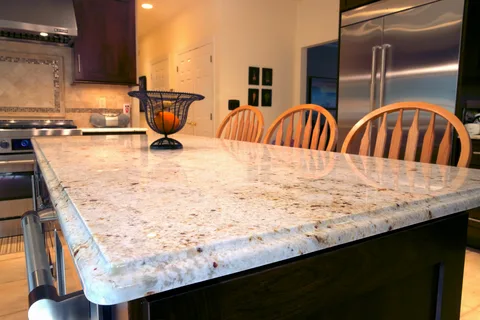
Marble countertops are often seen as a symbol of luxury and elegance, but they come with a significant price tag. Many homeowners find themselves wondering what exactly makes marble countertops so expensive compared to other materials like granite or quartz. In this article, we’ll break down the factors that contribute to the cost of marble countertops and help you understand why they are a high-end investment for your home.
1. The Cost of Quarrying Marble
One of the primary reasons for the high cost of marble countertops is the process of quarrying the stone. Marble is a natural material that must be extracted from quarries, which requires significant labor, equipment, and time.
Why Quarrying Marble is Expensive:
- Labor-Intensive Process: Quarrying marble is physically demanding and requires skilled labor to safely extract the stone. The process involves using heavy machinery to cut large blocks of marble from the earth, which requires specialized tools and expertise.
- Energy Consumption: The quarrying process is energy-intensive, as it involves drilling, blasting, and transporting large slabs of marble. This adds to the overall cost of the material.
2. Quality of the Marble
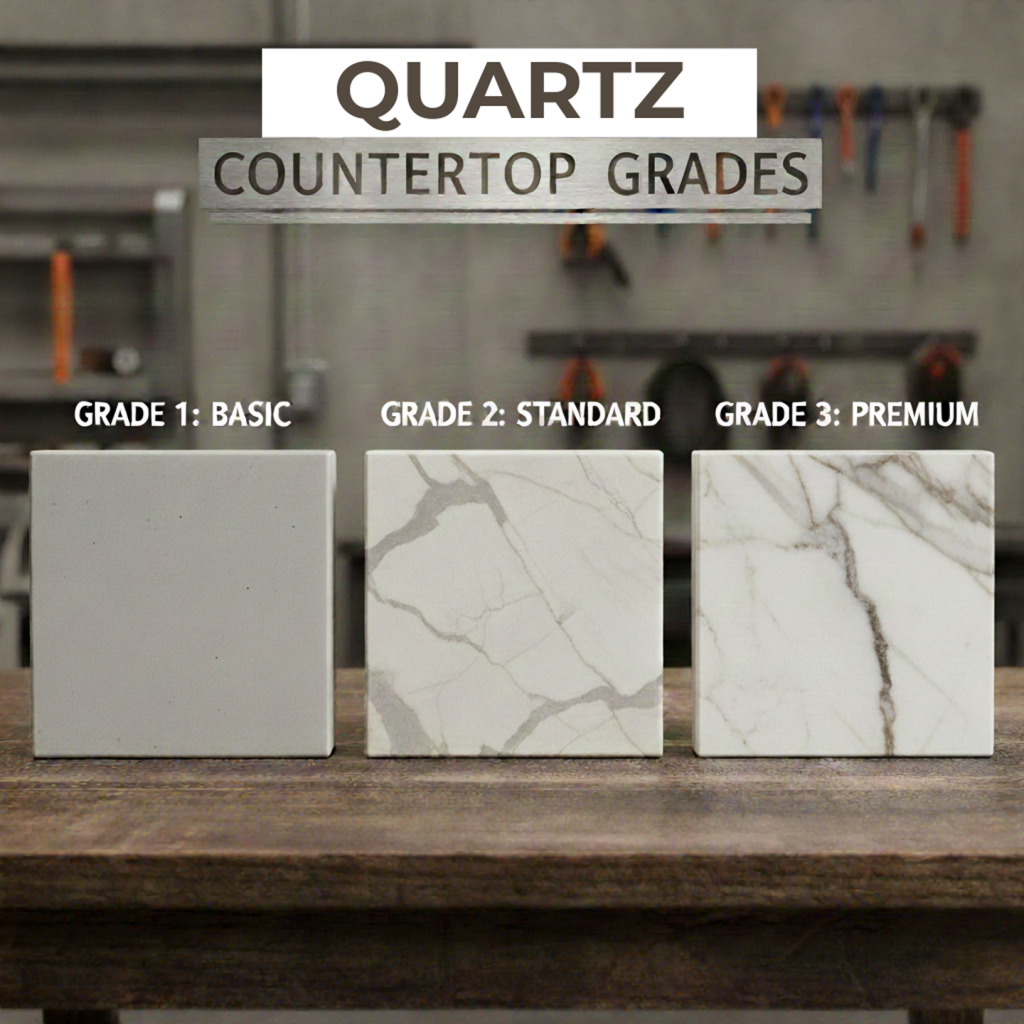
Not all marble is created equal. The quality of the marble plays a significant role in its price. Higher-quality marble, such as Calacatta or Statuario, is more expensive than other varieties like Carrara due to its rarity, appearance, and fine veining.
Factors That Affect Marble Quality:
- Veining and Patterns: Marble with intricate or unique veining patterns is considered higher quality. The more distinctive and rare the pattern, the more expensive the marble tends to be.
- Rarity: Some types of marble, like Calacatta, are much rarer than others and are therefore more expensive. The rarity of a particular marble slab increases its value.
- Origin: Marble sourced from famous quarries, such as those in Italy or Greece, tends to be more expensive due to its reputation and historical significance.
3. The Cost of Transportation
Marble is a heavy and dense material that must be transported from the quarry to the manufacturer and then to your home. The distance traveled and the method of transportation contribute to the cost.
Transportation Costs:
- Shipping Fees: Marble is often shipped internationally, especially if you choose a high-end variety like Statuario or Calacatta. International shipping involves significant costs, including freight, customs fees, and insurance.
- Handling Costs: Due to marble’s weight, transporting it requires specialized equipment and careful handling to avoid breakage. This adds to the cost of delivery.
4. Fabrication and Installation Costs
Once the marble has been extracted and transported, it must be fabricated into countertop slabs. This process involves cutting the marble to the exact dimensions needed for your kitchen or bathroom and polishing it to achieve the desired finish.
Why Fabrication and Installation Are Expensive:
- Skilled Labor Required: Fabricating marble countertops requires skilled professionals who are experienced in handling natural stone. Precision cutting, shaping, and polishing are required to ensure a perfect fit, and this expertise comes at a premium.
- Customization: If you want custom edges, special cutouts, or intricate designs, the cost of fabrication will rise. Customization adds time and labor, increasing the overall price.
- Installation Complexity: Installing marble countertops requires precision, as the slabs must be perfectly aligned and securely fastened. Professional installers use specialized tools and equipment to ensure a seamless and stable installation.
5. Durability and Longevity of Marble
One of the reasons marble is considered a high-end material is its durability and longevity. While it requires more maintenance than other materials like granite or quartz, marble can last for decades when properly cared for, making it a worthwhile investment.
Why Durability Affects the Cost:
- Long Lifespan: Marble countertops can last a lifetime with proper care and maintenance. Unlike cheaper materials that may need to be replaced or repaired after a few years, marble provides long-term value.
- Resistant to Wear and Tear: While marble is softer than granite, it is still a durable material that can withstand the daily demands of a kitchen or bathroom. Proper sealing and cleaning will help prevent stains, scratches, and other damage.
6. Maintenance Costs
Marble countertops require regular care and maintenance to keep them looking their best. While they are durable, they are also more susceptible to staining and scratching compared to harder materials like granite. The cost of maintaining marble countertops adds to their overall expense.
Maintenance Requirements:
- Sealing: Marble countertops need to be sealed every 6-12 months to protect them from stains and moisture. High-quality sealers can be expensive and require regular application.
- Cleaning Products: You must use specialized cleaning products for marble to avoid damage. Harsh chemicals and abrasive cleaners can cause discoloration and etching, so investing in the right cleaning supplies is essential.
- Polishing: Marble countertops can lose their shine over time, requiring periodic polishing to restore their luster. Polishing products can be costly, especially for high-end marbles.
7. Aesthetic Appeal and Luxury Value
Finally, marble countertops are often seen as a symbol of luxury. The timeless beauty, unique veining, and elegant appearance of marble are why it’s commonly used in high-end homes, restaurants, and hotels. The perception of marble as a luxurious material contributes to its high price tag.
Luxury Appeal of Marble:
- Timeless Beauty: Marble is associated with sophistication and opulence. Its rich history and association with classical architecture make it a sought-after material for homeowners who want to elevate their space.
- Prestige: Having marble countertops in your home can add a sense of prestige and increase the overall perceived value of your property.
FAQs about the Cost of Marble Countertops
1. Why is marble more expensive than other countertop materials?
Marble is expensive due to its quarrying process, high-quality materials, and the cost of transportation and installation. The rarity and aesthetic appeal of certain types of marble also contribute to their high price.
2. Is marble worth the investment?
Yes, marble is worth the investment if you’re looking for a timeless and luxurious countertop material. Its durability, beauty, and long lifespan make it a great option for homeowners who are willing to invest in high-quality surfaces.
3. How much more expensive is marble compared to granite?
Marble is typically more expensive than granite, especially for high-end varieties like Calacatta and Statuario. The cost can vary depending on the quality, size, and complexity of installation.
4. Can I reduce the cost of marble countertops?
You can reduce costs by choosing more affordable marble options like Carrara or opting for standard finishes instead of custom edges or intricate designs. Additionally, sourcing locally can help cut down on transportation fees.
5. How can I maintain my marble countertop to avoid additional costs?
To avoid extra costs, seal your marble countertops regularly, clean up spills promptly, and use the right cleaning products to prevent staining and etching. Proper maintenance will help extend the life of your marble and reduce the need for repairs.
Conclusion: The Cost of Marble Countertops Is Worth the Investment
Marble countertops are undoubtedly expensive, but they offer unparalleled beauty, durability, and luxury that make them a worthwhile investment. From the quarrying process to transportation, fabrication, and maintenance, several factors contribute to the high cost of marble. However, its timeless appeal, long lifespan, and unique characteristics make it a valuable addition to any home. By understanding the factors that influence the cost of marble countertops, you can make an informed decision when choosing the perfect countertop material for your space.