When it comes to choosing the perfect countertop material, marble and quartz are two of the most popular options. Both materials offer unique benefits, but many homeowners still gravitate towards marble for its timeless beauty and luxurious appeal. In this article, we will compare marble and quartz countertops and explore why marble might be the better choice for your home.
1. Natural Beauty and Aesthetic Appeal
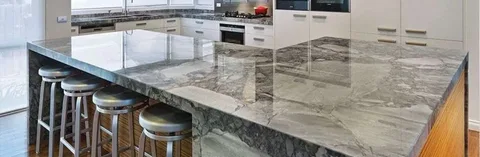
One of the primary reasons people choose marble over quartz is its natural beauty. Marble countertops are celebrated for their unique veining and natural patterns, which make each slab one-of-a-kind. The elegance and luxury that marble brings to a space cannot be replicated by synthetic materials like quartz.
Why Marble is Superior Aesthetically:
- Unique Veining: Every marble slab has its own distinctive veining patterns, which add character and depth to any space. This uniqueness is something that quartz, which is engineered, cannot replicate in the same way.
- Timeless Elegance: Marble has been used in architectural design for centuries, and its timeless beauty is hard to beat. The classic look of marble works well in both traditional and contemporary spaces, making it a versatile material for any home.
- Natural Variations: The natural color variations in marble, from soft whites and grays to deep blacks and greens, allow you to select a marble countertop that fits your home’s style and aesthetic perfectly.
2. Luxury and Prestige
Marble is often associated with luxury and prestige. It has long been a material used in high-end homes, restaurants, and hotels due to its opulent look and feel. Choosing marble for your countertops adds an undeniable element of sophistication to your space, making it stand out compared to other materials like quartz.
Why Marble Adds Luxury:
- Historically Revered: Marble has been revered for centuries, used in the construction of iconic buildings like the Parthenon and the Taj Mahal. Its historical significance contributes to its association with luxury and elegance.
- High-End Appeal: Marble countertops are a symbol of wealth and taste. Installing marble in your kitchen or bathroom instantly elevates the room’s aesthetic, adding a touch of class and refinement.
- Timeless Investment: While quartz is more affordable, marble offers lasting value in terms of both style and long-term durability, making it a worthwhile investment for homeowners seeking a luxurious finish.
3. Heat Resistance
Marble is well-known for its heat resistance. This makes it an excellent choice for kitchens where hot pots, pans, and cookware are frequently used. Quartz, on the other hand, is more susceptible to heat damage due to its synthetic components.
How Marble Performs with Heat:
- Naturally Heat-Resistant: Marble countertops can withstand high temperatures without damage. You can place hot pans directly on the surface without worrying about scorching or discoloration.
- Heat Conductivity: Marble absorbs and retains heat, which can be beneficial in cooking environments. It provides a naturally cool surface, ideal for rolling dough or working with delicate ingredients in the kitchen.
Why Quartz Falls Short:
- Sensitive to Heat: Quartz countertops, while durable, can be damaged by high heat. The resins used in quartz can melt or discolor if exposed to hot cookware, so using trivets or hot pads is essential.
4. Durability and Longevity
Marble is a durable material that can last for decades when properly maintained. While it is softer than quartz, making it more prone to scratching or chipping, marble is still a long-lasting material that can endure the demands of a busy kitchen or bathroom.
Marble’s Durability:
- Long Lifespan: With proper care, marble can last a lifetime, becoming a long-term investment in your home. Unlike quartz, which can wear out over time, marble retains its beauty and elegance for many years.
- Aging Gracefully: One of the unique aspects of marble is how it ages. While quartz remains consistent in appearance, marble develops a patina over time that adds to its charm and character.
Why Quartz Can’t Compete in Terms of Longevity:
- Less Natural Wear: While quartz is highly durable, it doesn’t have the same longevity or the same ability to develop character over time like marble does.
- Uniform Appearance: Unlike marble, quartz doesn’t age or develop unique wear patterns. This can be a downside for those who appreciate the evolving beauty of marble as it matures.
5. Maintenance and Care
While marble does require more maintenance compared to quartz, the effort is often worth it for homeowners who value its timeless beauty. Marble requires regular sealing to prevent staining, but with proper care, it can maintain its stunning appearance for years.
How to Care for Marble Countertops:
- Sealing: Marble countertops need to be sealed every 6-12 months to prevent staining and moisture absorption. This is a simple maintenance task that will help preserve the beauty of the marble.
- Cleaning: Use a soft cloth and a pH-neutral cleaner to regularly wipe down your marble surface. Avoid acidic or abrasive cleaners that could damage the surface.
- Patina Development: Marble develops a natural patina over time, which is part of its charm. This aging process adds character to the stone and enhances its visual appeal.
Why Quartz is Easier to Maintain:
- Non-Porous: Quartz is a non-porous material, meaning it doesn’t need to be sealed. It is resistant to staining and can be cleaned with regular household cleaners.
- Low Maintenance: Quartz countertops require very little maintenance and are much more forgiving when it comes to stains, scratches, and spills.
6. Customization and Design Flexibility
Marble offers a greater degree of customization in terms of color, pattern, and finish. Whether you’re looking for subtle gray veining or bold, dramatic patterns, marble has the variety to match your unique design preferences.
Why Marble Offers More Customization:
- Variety of Patterns: Marble slabs come in a wide variety of natural patterns and colors, allowing you to choose a countertop that perfectly fits your aesthetic.
- Unique Look: Every marble slab is different, which means no two countertops are identical. This allows you to create a one-of-a-kind look that enhances the uniqueness of your space.
Why Quartz Is Less Customizable:
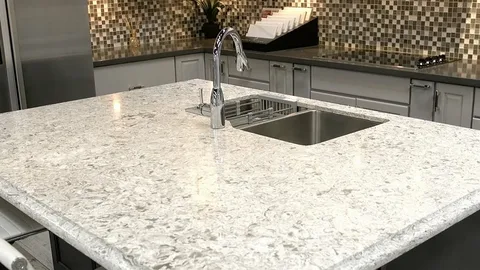
- Limited Variations: While quartz comes in many colors and patterns, it lacks the natural variation found in marble. All quartz countertops are engineered, so they don’t have the same organic, one-of-a-kind appearance as marble.
- Less Natural Appeal: Quartz is made from synthetic materials, so it can sometimes look artificial compared to the natural beauty of marble.
FAQs about Choosing Marble Countertops Over Quartz
1. Is marble more expensive than quartz?
Yes, marble countertops tend to be more expensive than quartz due to the natural sourcing, quarrying process, and luxurious appeal. However, marble’s aesthetic value and longevity may justify the higher cost.
2. Does marble require more maintenance than quartz?
Yes, marble requires more maintenance than quartz. Marble needs to be sealed regularly to prevent staining and must be cleaned with pH-neutral products to avoid damaging the surface.
3. How long do marble countertops last?
Marble countertops can last a lifetime if properly maintained. With regular sealing and care, marble can withstand years of use without losing its beauty.
4. Can I place hot pots on a marble countertop?
Yes, marble is heat-resistant, and you can place hot pans directly on the surface without worrying about heat damage. However, to protect the surface from scratches, it’s always best to use trivets or pads.
5. Is quartz better than marble for durability?
While quartz is more resistant to scratching and staining than marble, marble is still a durable material that, with proper care, can last for many years. Marble is more susceptible to chipping and scratching but offers a unique, timeless appeal.
Conclusion: Why Choose Marble Countertops Over Quartz
While both marble and quartz have their unique benefits, marble countertops offer unmatched beauty, luxury, and customization that many homeowners find irresistible. The natural veining, classic appeal, and long-term value of marble make it an investment worth considering. If you appreciate natural beauty, timeless design, and are willing to put in the effort for regular maintenance, marble is the perfect choice to elevate your kitchen or bathroom.
for more information visit: apsense